Mechanical BIM Services


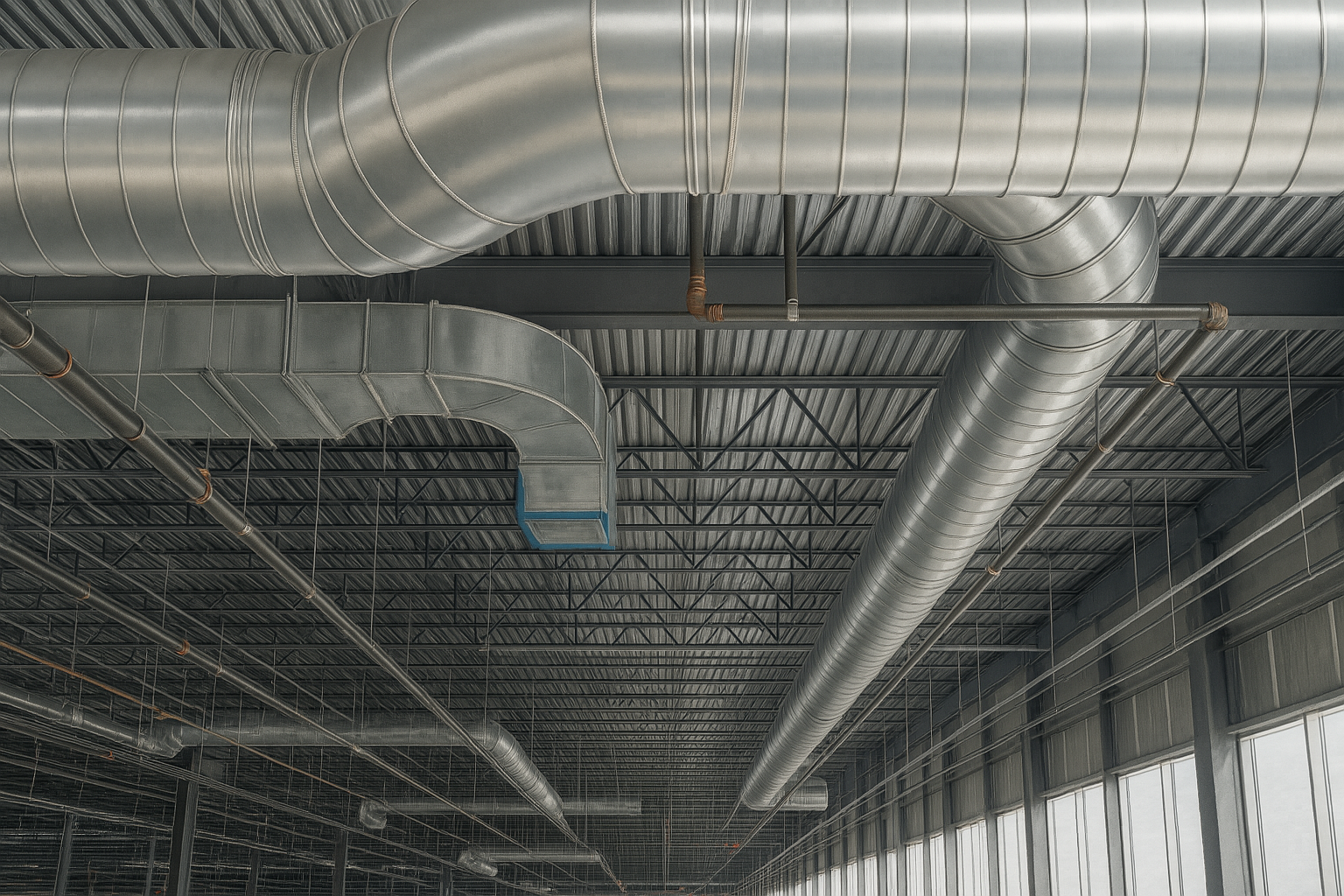
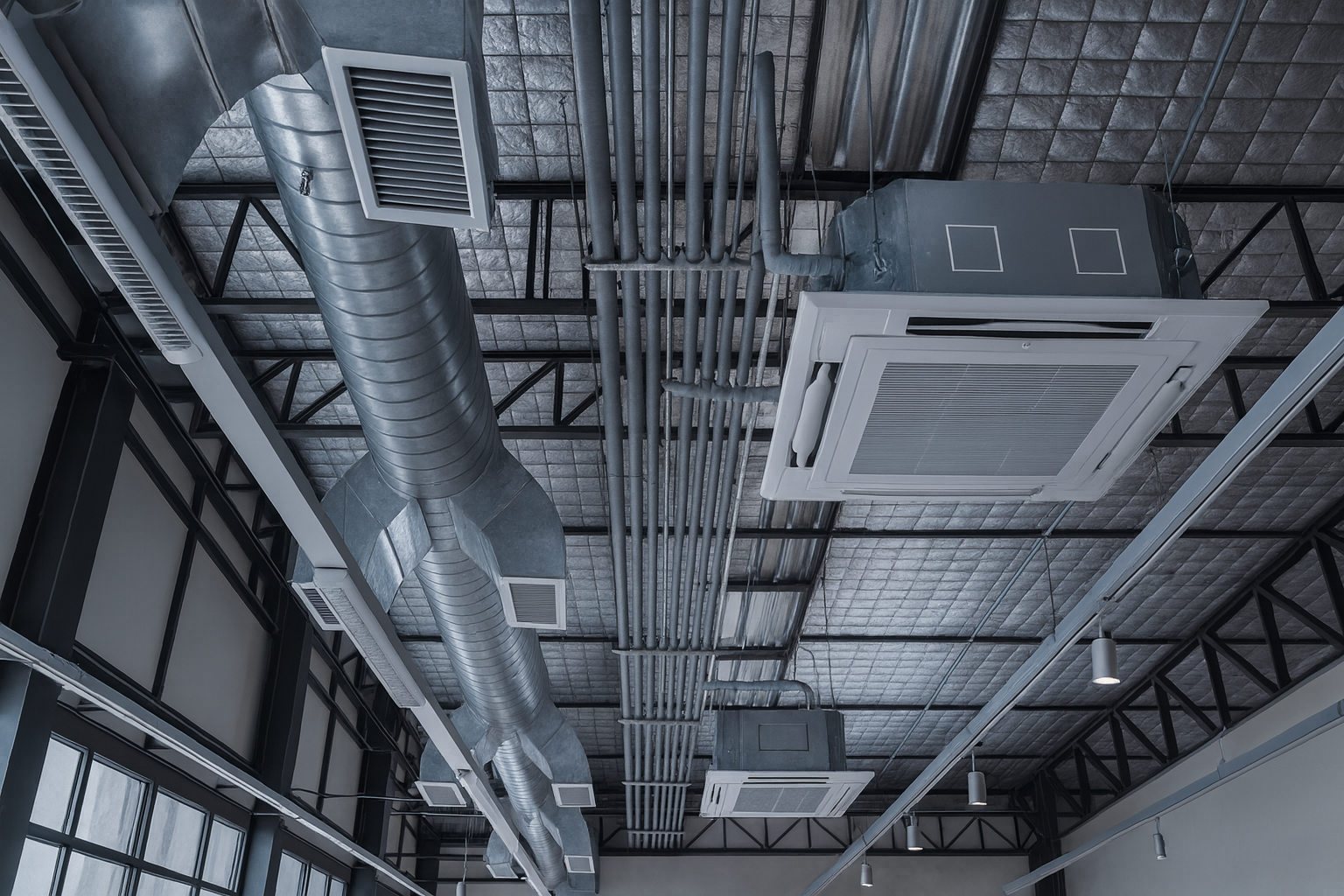
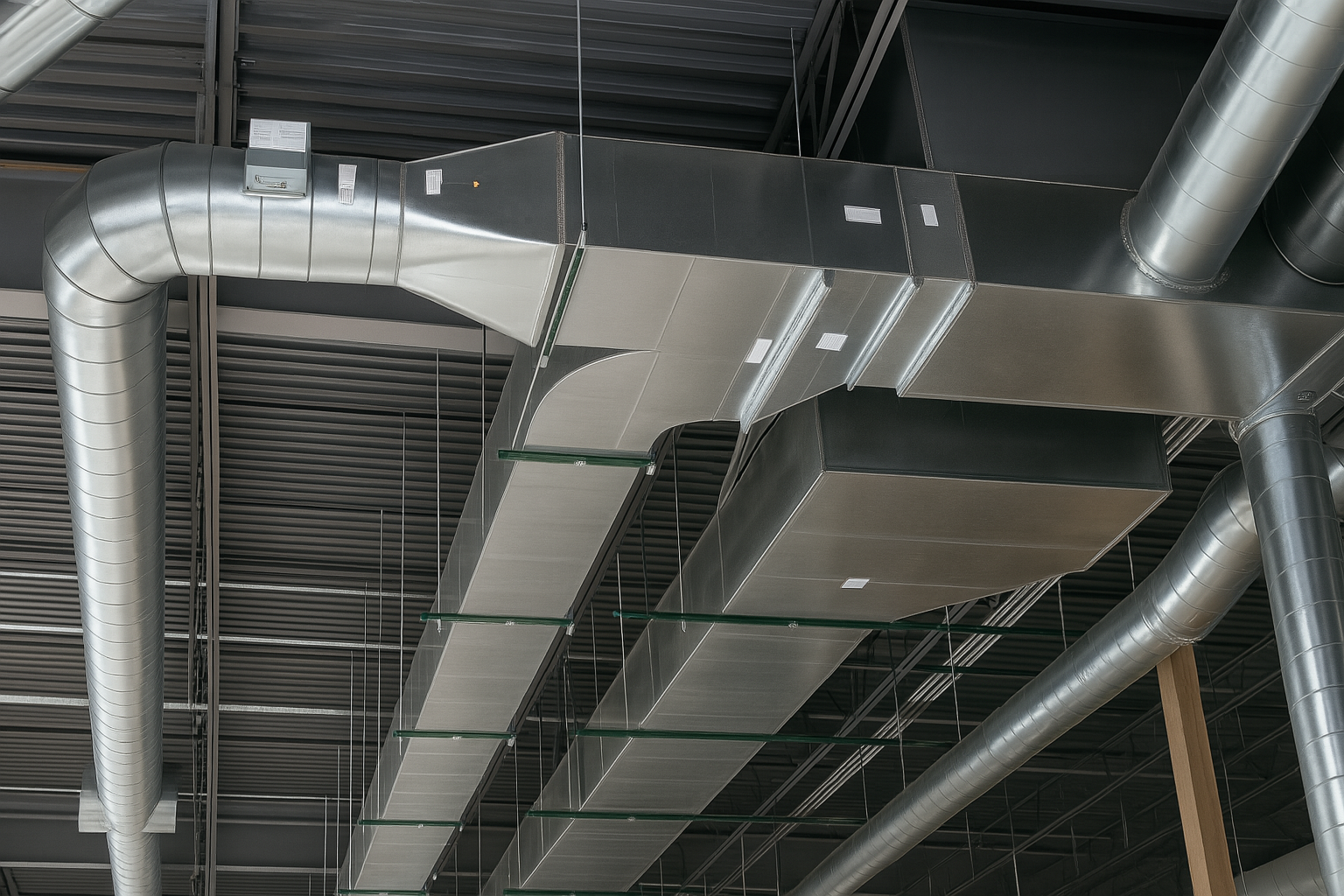
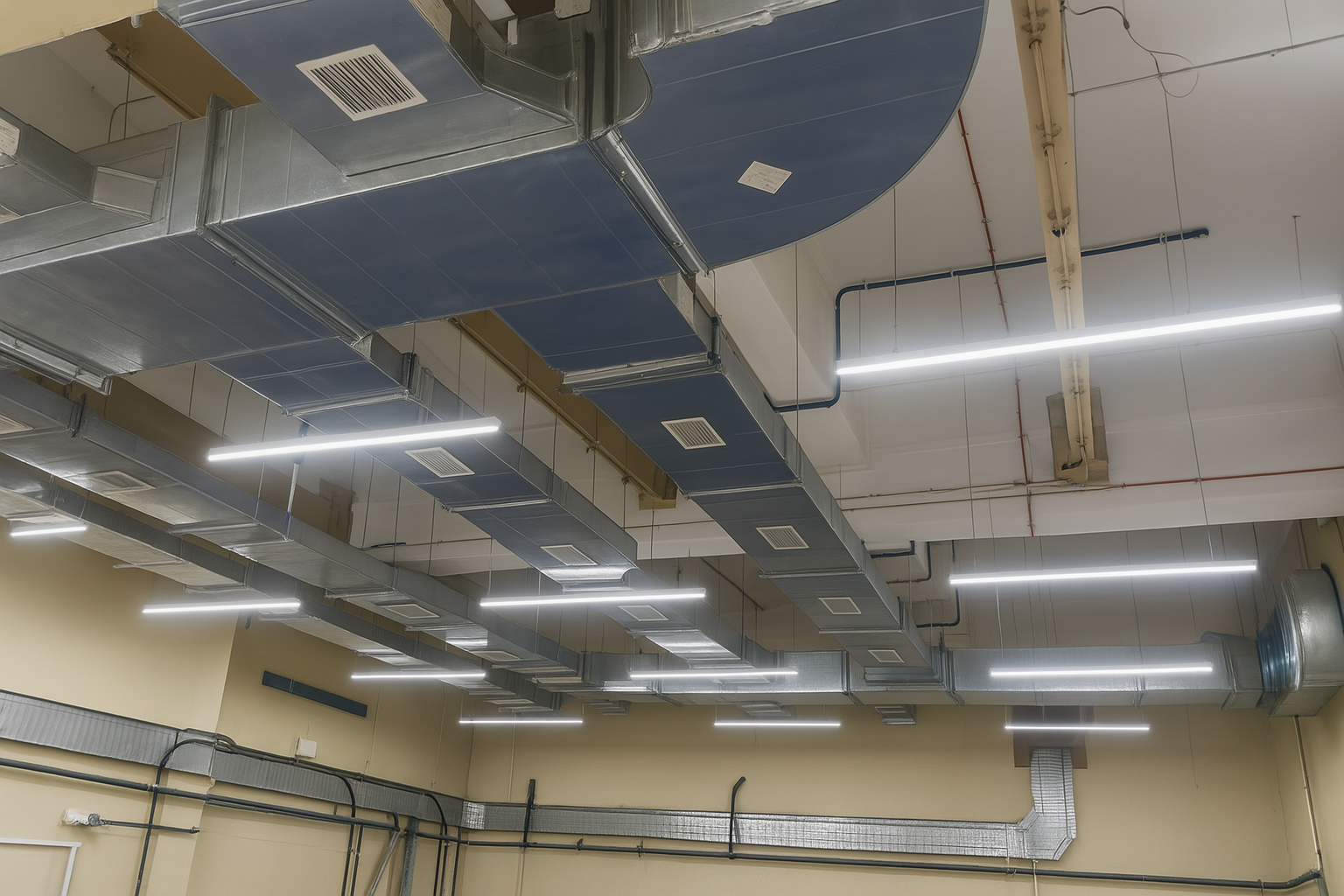
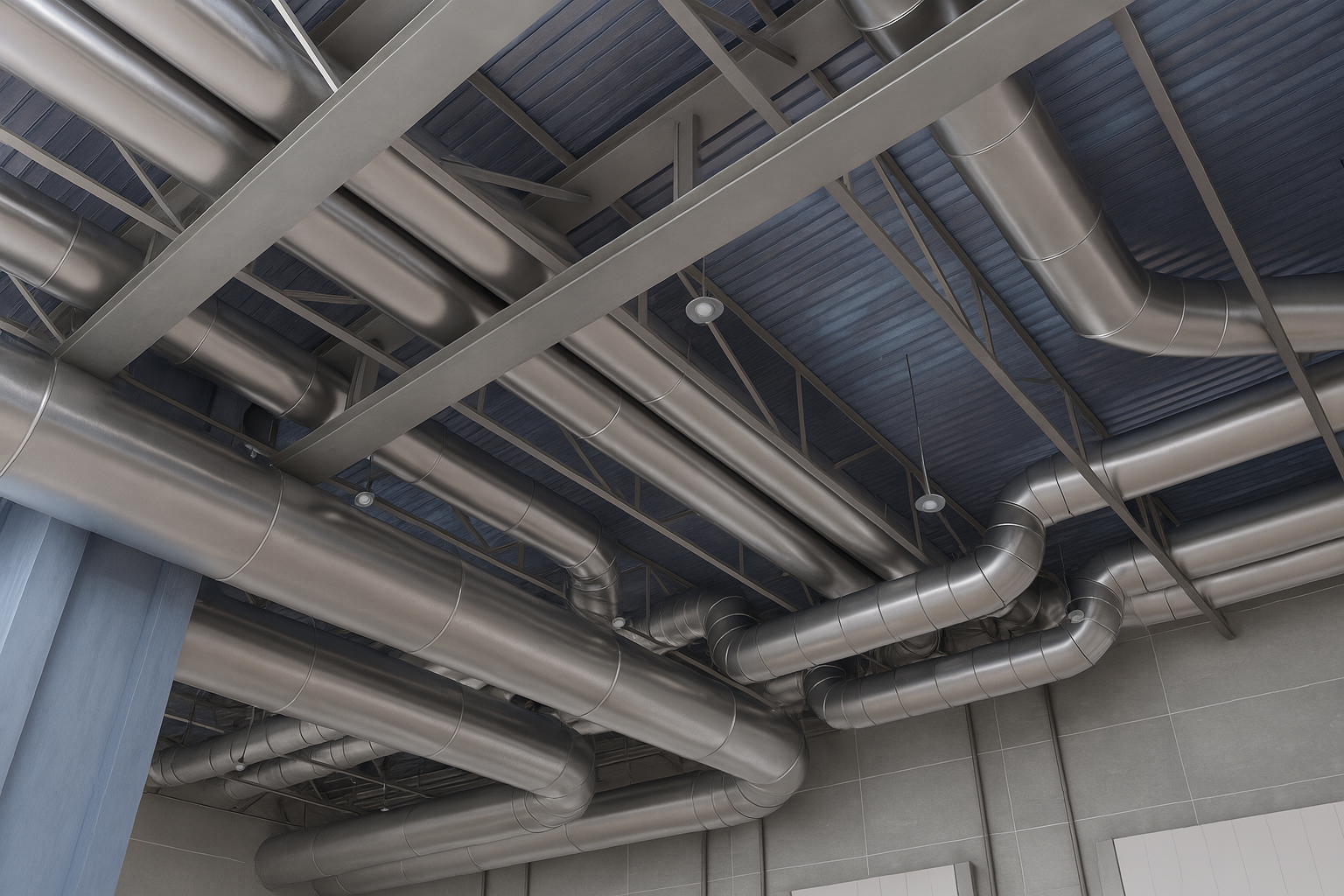
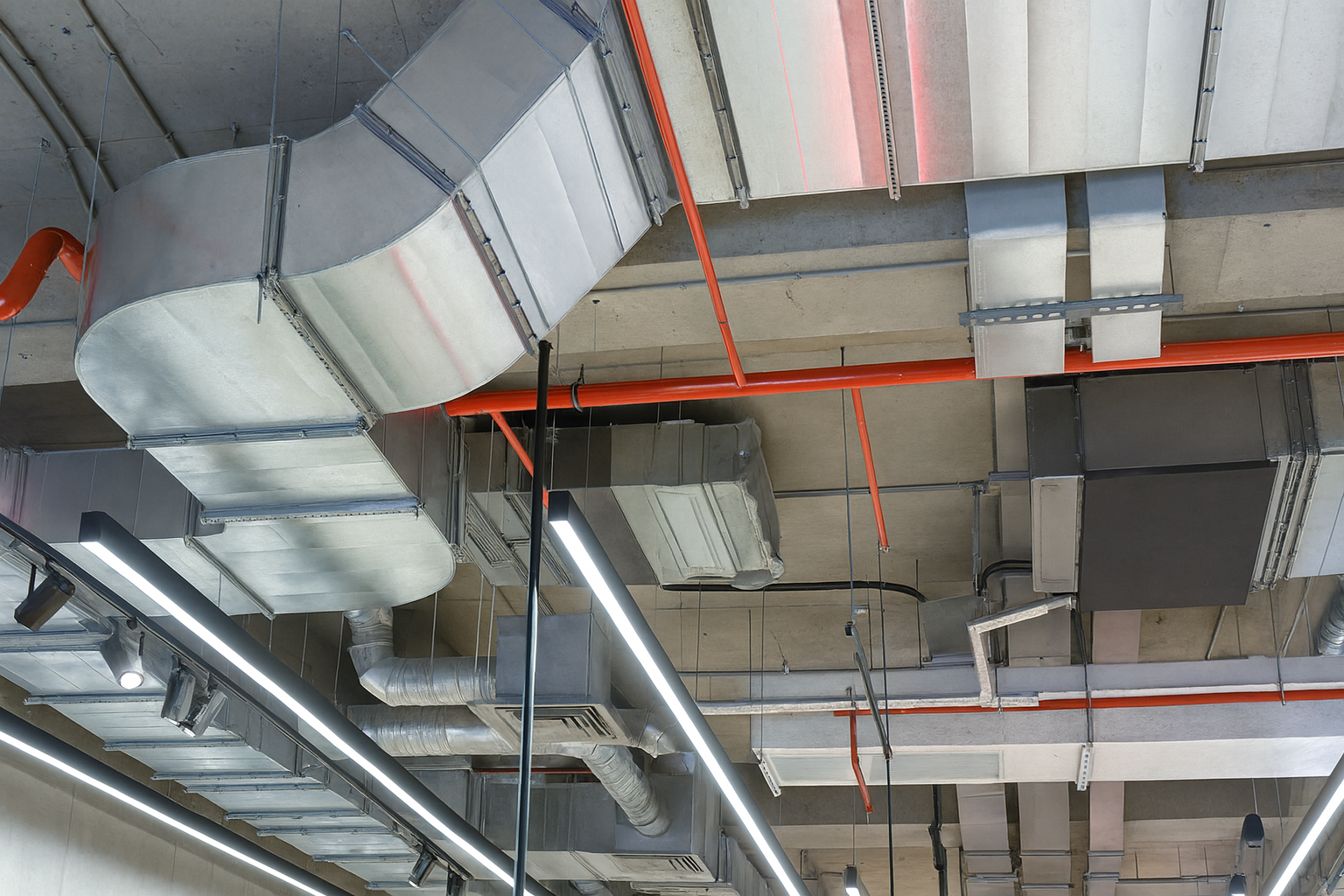
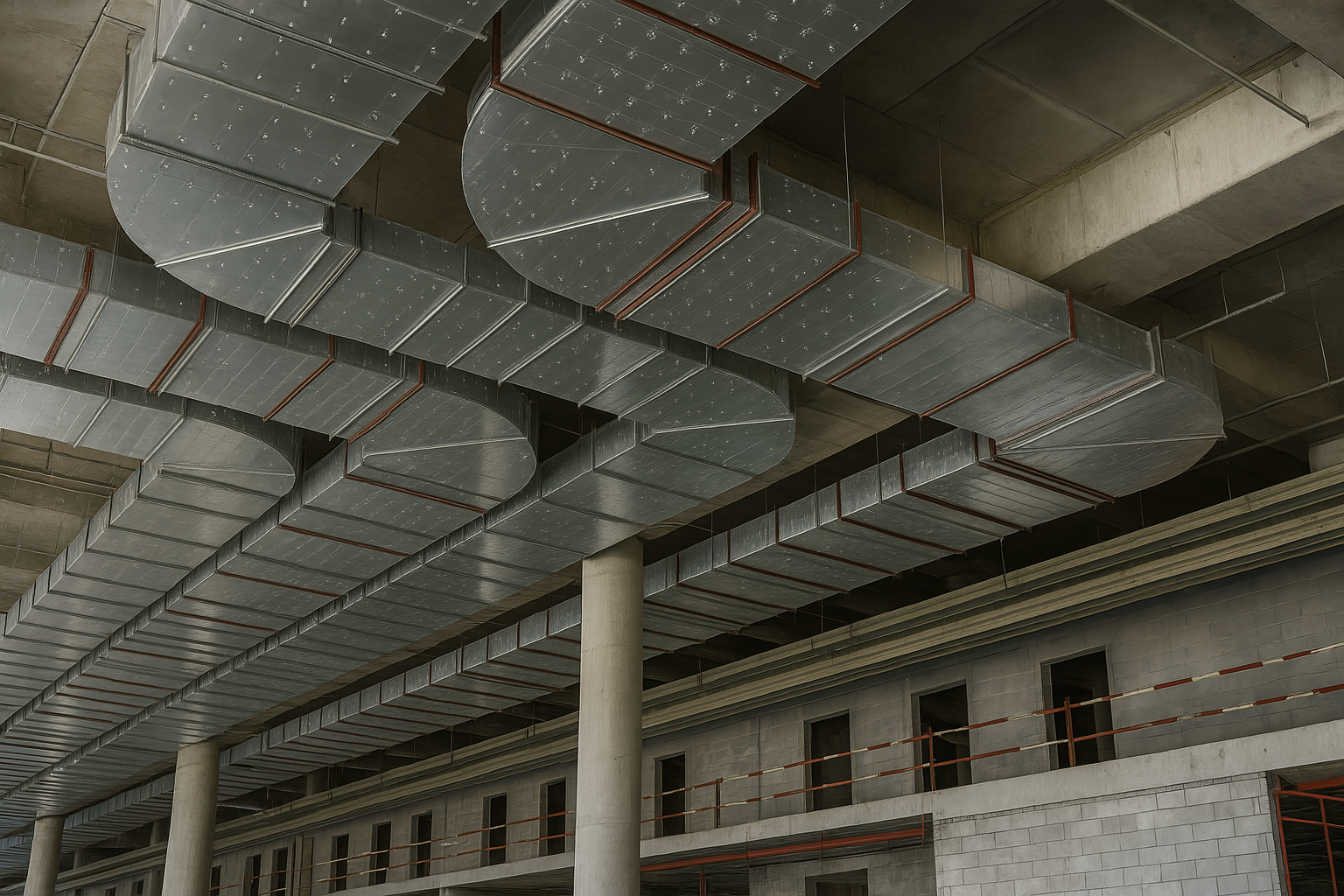
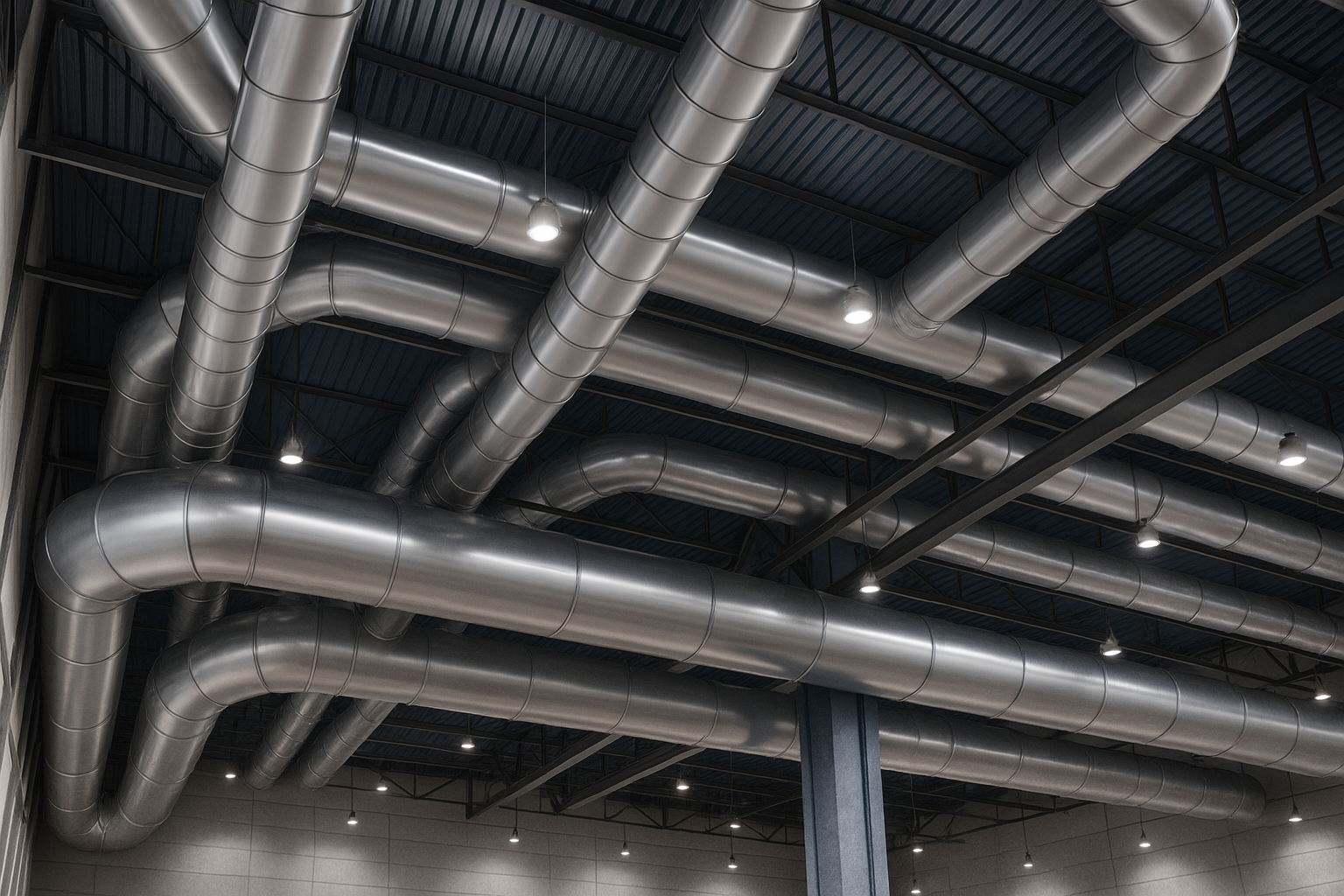
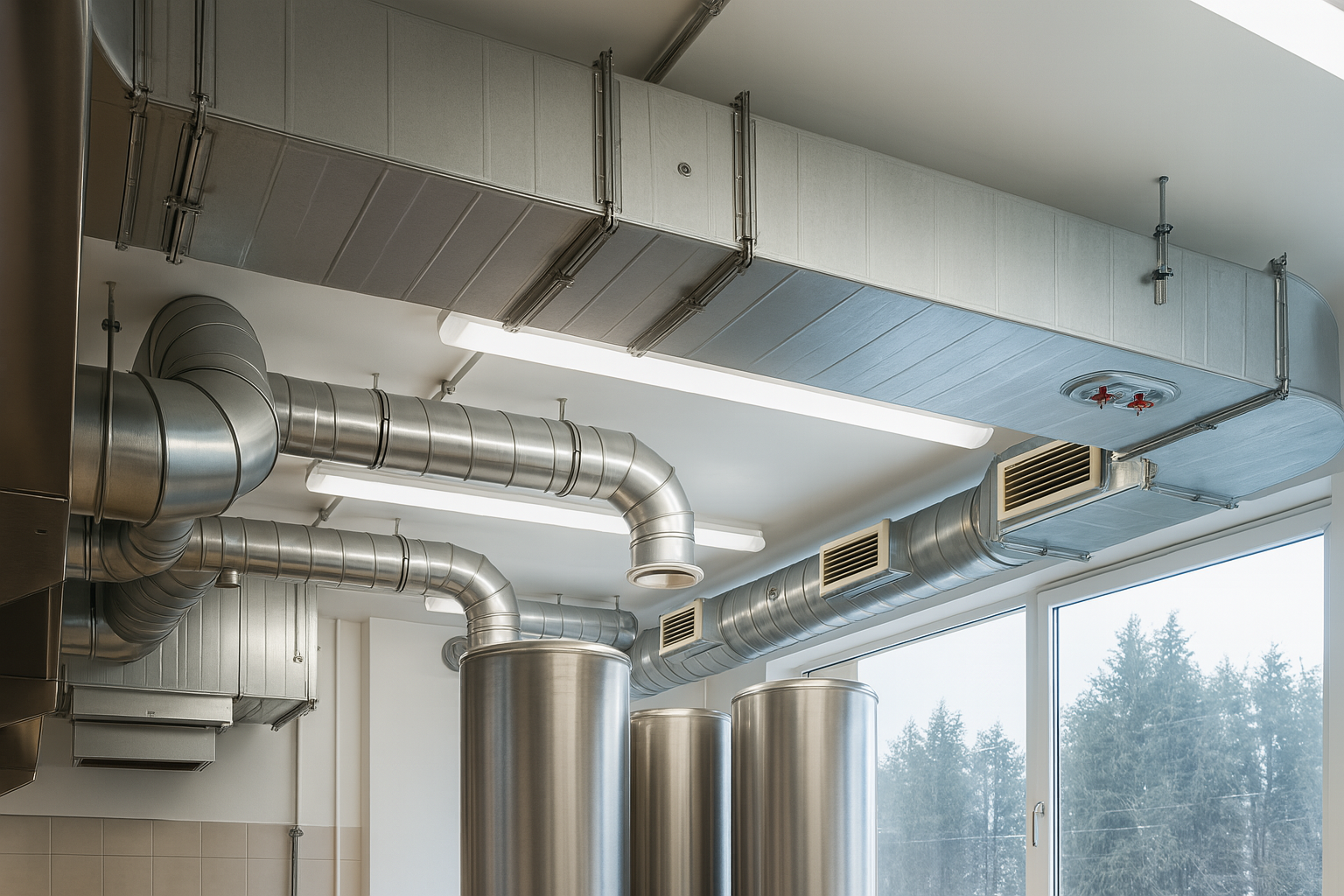
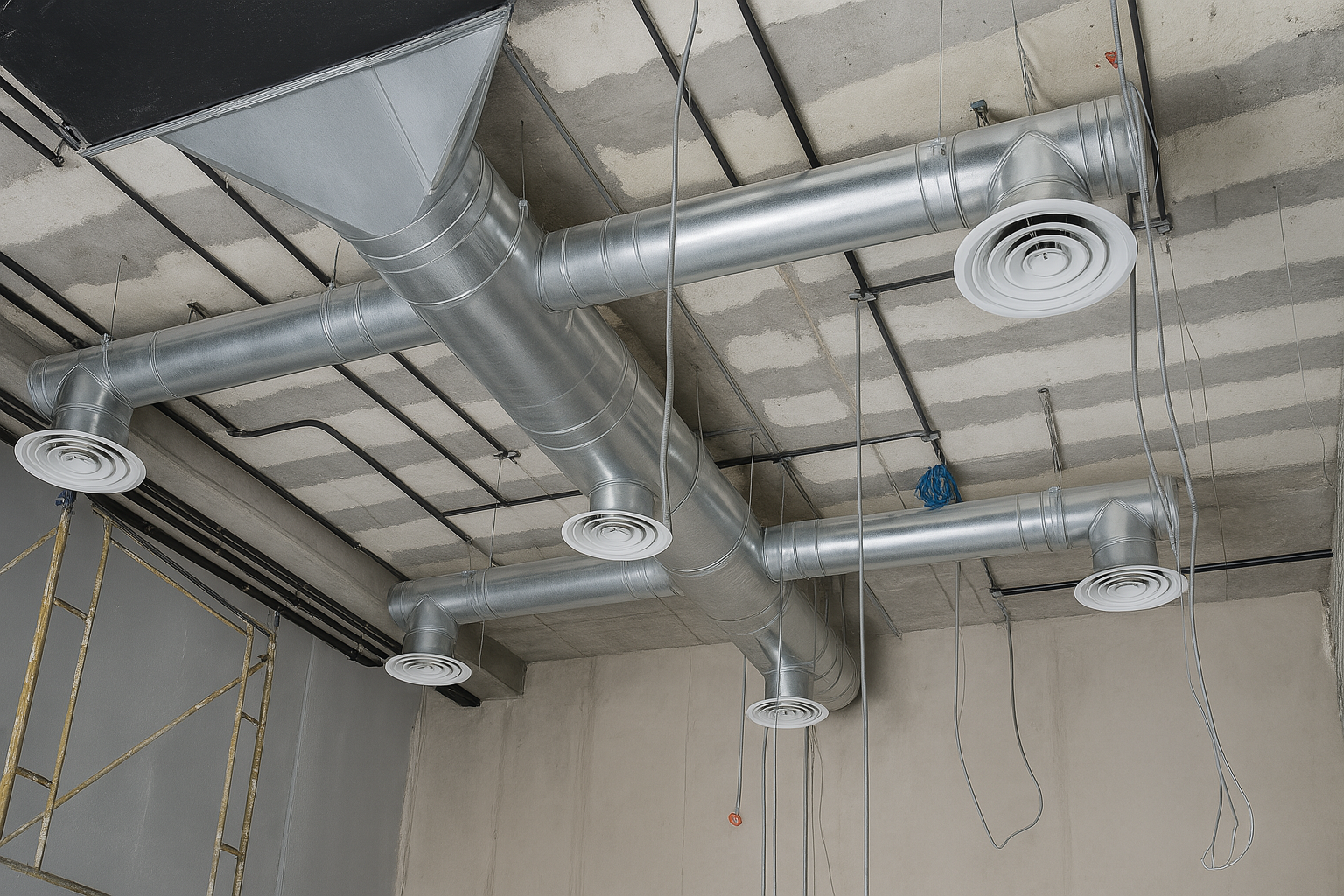
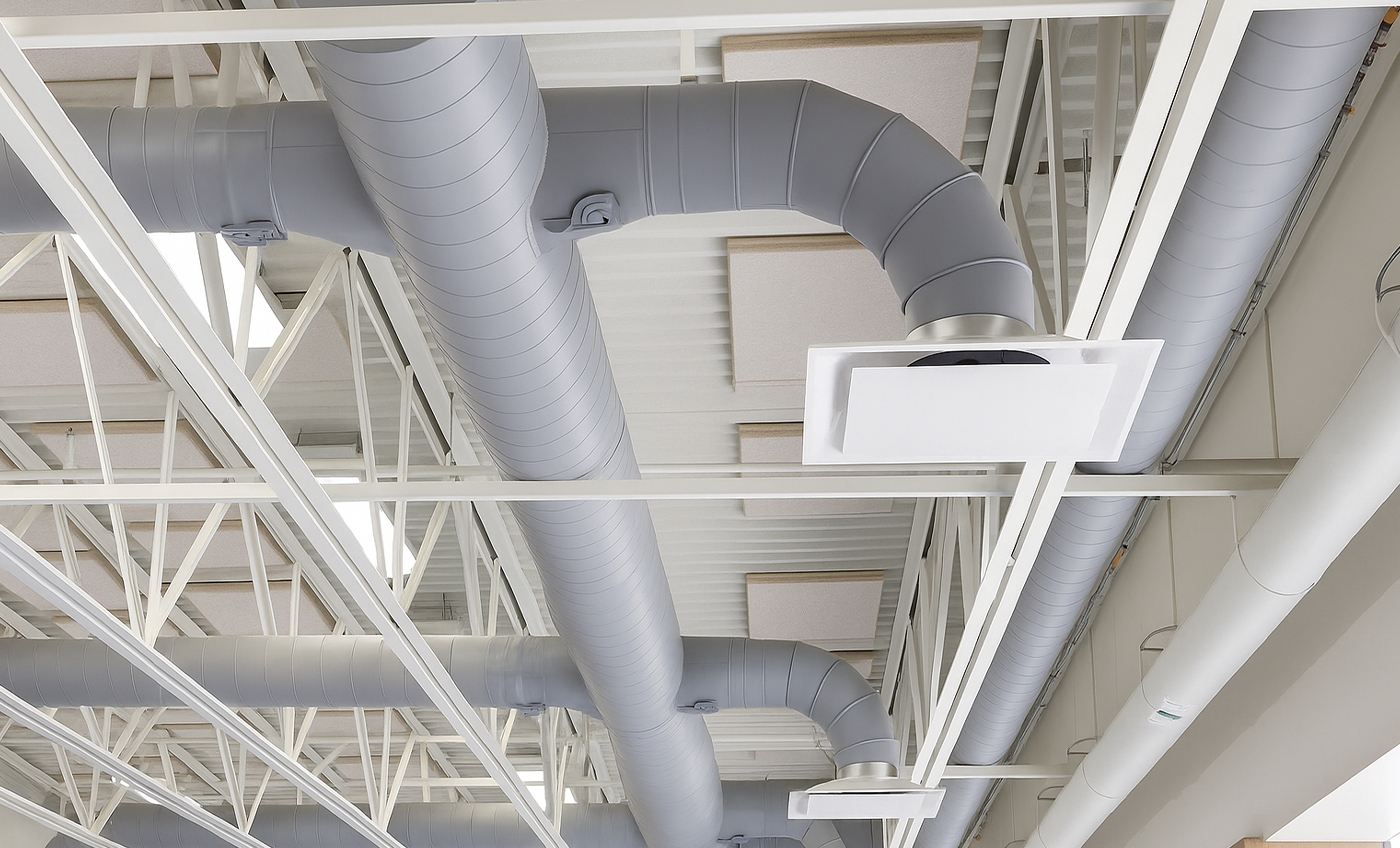
Mechanical Ductwork Services utilizing BIM (Building Information Modeling) involve creating detailed 3D models for HVAC systems. This technology enhances design and coordination by providing precise visualization and early clash detection with other building systems. It streamlines the installation process, improves accuracy, and reduces costs through better planning and collaboration among architects, engineers, and contractors. Ultimately, BIM for mechanical ductwork ensures efficient airflow design and optimized energy performance.

Mechanical BIM


Mechanical BIM Services provide accurate 3D Modeling and coordination for HVAC systems, ductwork, and mechanical equipment. These services use clash detection to resolve design conflicts, improve energy efficiency, and deliver detailed documentation, including shop and spool drawings. BIM enhances team collaboration, ensuring precise, sustainable, and efficient mechanical system design and implementation.

BIM LOD (Level of Development)

LOD explains how detailed, accurate, and build-ready your BIM model is at every stage. As the LOD increases, uncertainty drops—giving you clearer coordination, fewer RFIs, faster approvals, reduced rework, and a smoother, more predictable construction process.

LOD 100

Mechanical Services – LOD 100 → Concept (Early Vision)

Meaning: High-level mechanical intent without detailed system definition.

Includes: Conceptual representation of HVAC zones, major equipment footprints, shafts, and service areas based on building massing, orientation, and occupancy assumptions.

Outcome: Rapid feasibility assessments, early cooling/heating demand understanding, preliminary space validation, and informed go/no-go decisions before design commitment.

Critical Insight: Early mechanical clarity prevents oversized systems and late-stage layout failures.

LOD 200

Mechanical Services – LOD 200 → Early Design (Schematic Design)

Meaning: Organized but still flexible mechanical layouts.

Includes: Approximate duct routing, preliminary equipment selection, air distribution concepts, early sizing assumptions, and coordination intent with architectural and structural elements.

Outcome: Clear HVAC design direction, realistic early cost estimates, improved load alignment, and reduced downstream redesign risk.

Critical Insight: Most early HVAC coordination issues are resolved here.

LOD 300

Mechanical Services – LOD 300 → Detailed Design (Accurate & Coordinated)

Meaning: Fully engineered and coordinated mechanical design.

Includes: Accurate duct sizes, precise routing, equipment placement, access and maintenance clearances, coordinated interfaces, and reliable quantity take-offs.

Outcome: Reduced clashes, fewer RFIs, smoother authority approvals, and predictable construction documentation with reduced rework and cost certainty.

Critical Insight: This stage prevents the majority of mechanical site conflicts.

LOD 400

Mechanical Services – LOD 350/400 → Build-Ready (Fabrication Precision)

Meaning: Fabrication- and installation-ready mechanical detail.

Includes: Hangers, supports, insulation details, penetrations, sleeves, vibration control, sequencing clarity, and prefabrication-ready ductwork layouts.

Outcome: Faster shop drawing approvals, minimal site rework, controlled installation, accurate fabrication, and zero execution ambiguity.

Critical Insight: Converts HVAC design intent into field-ready certainty.

LOD 500

Mechanical Services – LOD 500 → As-Built (Verified Digital Twin)

Meaning: Final verified model reflecting actual installed mechanical systems.

Includes: Confirmed as-built duct routing, equipment data, capacities, tags, field modifications, and validated locations matching site conditions.

Outcome: Accurate facilities management, energy optimization, predictable renovations, and long-term asset reliability with reduced lifecycle costs.

Critical Insight: Becomes the owner’s single source of truth for mechanical systems.

This LOD framework ensures complete clarity, predictable coordination, and zero surprises across design, fabrication, and construction — giving every stakeholder the right information at the right time for faster decisions and smoother project delivery.
BIM Benefits


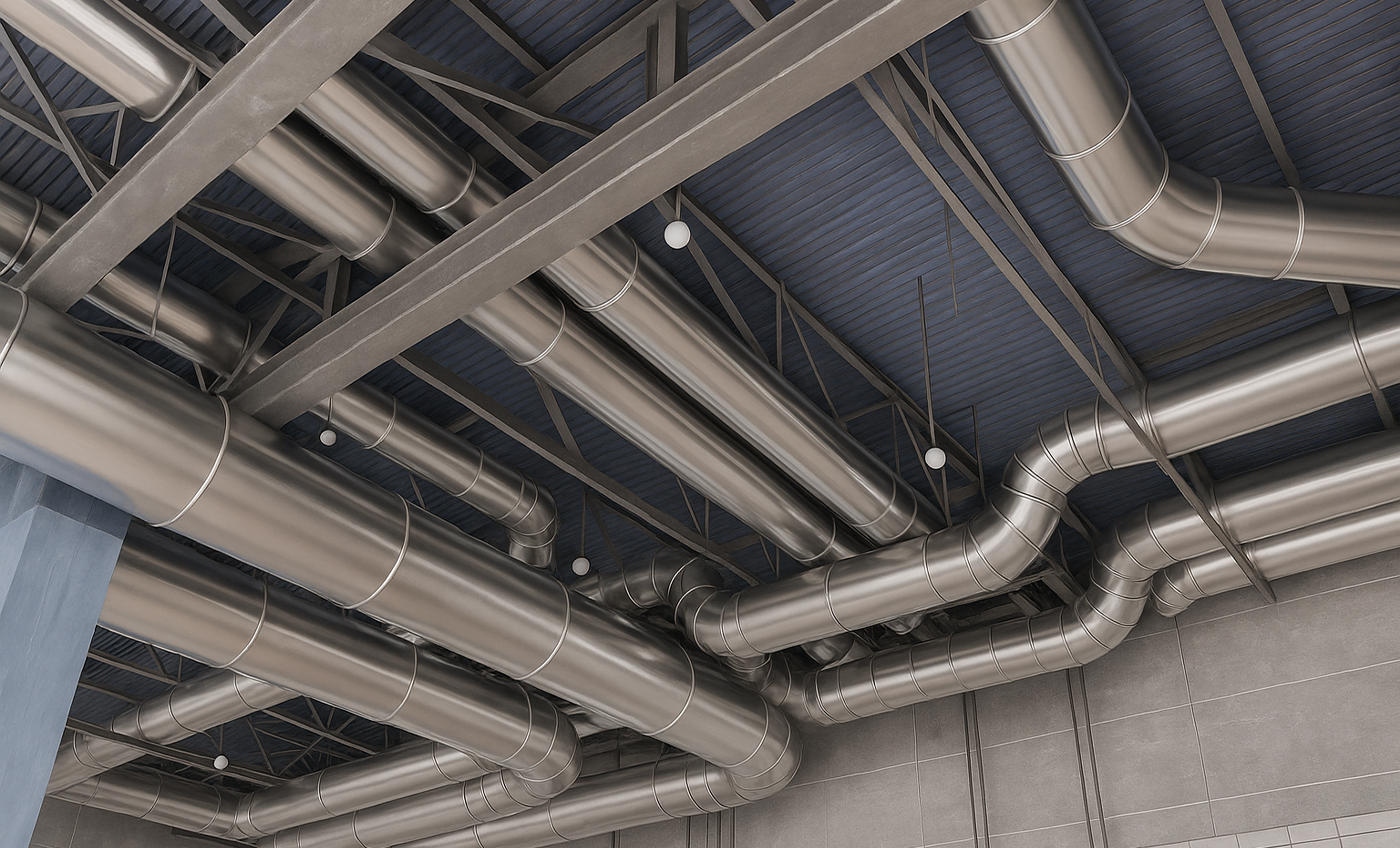
Mechanical BIM improves project accuracy with detailed 3D Modeling of HVAC, piping, and equipment, reducing errors and rework. It streamlines MEP coordination by identifying clashes early in the design phase. BIM tools optimize energy efficiency for sustainable solutions. Detailed documentation speeds up fabrication and installation. Additionally, BIM fosters collaboration among stakeholders, improving project timelines and cost efficiency.

Stop Losing Profit to Errors, Delays & Rework — Build Faster and With Total Predictability.

Get Project Plan

Get a quick expert review showing exactly where you can prevent rework, shorten timelines, and improve delivery with precision.

Construction Drawings


A key benefit of BIM is its ability to generate accurate construction documentation directly from the 3D model, including drawings, schedules, and material specifications. As the design evolves, documents automatically update, ensuring the use of the most current information. This reduces discrepancies during construction and streamlines workflows, with easy updates throughout the project lifecycle for smooth execution.

Shop Drawings


Mechanical BIM documentation ensures precise, project-specific details for HVAC systems, ductwork, piping, and equipment layouts. Shop drawings generated from BIM models provide fabrication-ready, accurate details, including dimensions, material specifications, and assembly instructions. These deliverables improve on-site efficiency, reduce errors, and streamline installation, keeping the project on schedule and meeting industry standards.

Technology and Tools


Mechanical BIM technology utilizes advanced software like Revit, AutoCAD MEP, and Navisworks to create detailed 3D models of mechanical systems. These tools enable accurate system design, enhance coordination across disciplines, and support clash detection, reducing errors and rework. Additionally, they assist in energy analysis for sustainable solutions and produce precise, fabrication-ready documentation, improving project efficiency and collaboration.

Mechanical BIM Projects

What Our Clients Say

Avatar

“They saved us $320k by detecting clashes we missed. Our project stayed on budget and ahead of schedule.”

★★★★★ 5.0

Michael Turner

VP, Skyline Construction

Avatar

“The 5-Point Audit opened our eyes to inefficiencies costing 12% of staff hours. Fixed in weeks.”

★★★★☆ 4.0

Sarah Mitchell

Director, ArchiForm Studio

Avatar

“We avoided $450k in rework costs on a hospital project. Their clash detection was a game-changer.”

★★★★★ 5.0

David Chen

Senior Project Manager, MedBuild Group

Avatar

“Their audit showed us errors that would have delayed delivery by 3 months. We finished 27% faster instead.”

★★★★☆ 4.0

Priya Nair

Principal Architect, UrbanHomes Design

Avatar

“We reduced our MEP coordination issues by 40%. That alone saved us $180k on a single project.”

★★★★★ 5.0

James Rodriguez

Head of Engineering, CoreMEP Solutions

Avatar

“Our bidding accuracy improved overnight. We now win projects with 20% tighter estimates—with zero margin surprises.”

★★★★☆ 4.0

Linda Brooks

Estimation Lead, Prime Contractors Inc.

Avatar

“The BIM model caught 38 clashes in our structural design. That saved weeks of onsite chaos and $220k+ in labor costs.”

★★★★★ 5.0

Omar Al-Farouk

Director of Operations, SteelMax Contractors

Avatar

“They helped us save just $55k on a small residential project. But for us, that covered nearly our entire profit margin.”

★★★★☆ 4.0

Emily Davis

Owner, GreenLeaf Builders

Avatar

“Before, we spent months fixing mistakes onsite. With their workflows, we reduced field errors by 60% and saved $500k.”

★★★★★ 5.0

Robert Klein

VP, Horizon Development Group

Frequently Asked Questions

Mechanical BIM (Building Information Modeling) services involve creating intelligent 3D models for HVAC, plumbing, and fire protection systems to improve design accuracy and coordination.
It enhances collaboration, reduces errors, optimizes material usage, and improves efficiency by providing detailed, clash-free MEP system models.
We serve industries including commercial, residential, healthcare, industrial, and infrastructure projects requiring mechanical system modeling.
Yes, we can convert your 2D CAD drawings into intelligent BIM models, ensuring accurate representation and seamless project integration.
We use industry-leading software like Revit, AutoCAD MEP, and Navisworks to deliver precise and coordinated mechanical BIM solutions.
Yes, we perform advanced clash detection and coordination to identify conflicts early, reducing costly rework and project delays.
Absolutely! We generate detailed fabrication and shop drawings to support accurate manufacturing and on-site installation.
We deliver models from LOD 100 to LOD 500, depending on project requirements, ensuring appropriate detail and accuracy levels.
By reducing rework, material waste, and project delays, BIM enhances efficiency, leading to significant cost savings over time.
Simply contact us with your project details, and our team will provide a customized quote based on your specific BIM requirements.

Build Smarter. Eliminate Rework. Protect Schedules — Starting With Your Next Project

Get Project Risk Blueprint

Receive a free 1-page project blueprint highlighting coordination risks, approval gaps, and schedule threats
so delays, rework, and cost overruns are prevented from day one.

Bimgraphix is a global BIM and digital engineering firm delivering precision-driven solutions to
architects, engineers, and construction partners across global markets.

Projects   Industries   Process   About Us   Careers   Privacy   Contact


© 2025 Bimgraphix Infotech. All Rights Reserved.