Clash Detection Services
Clash detection is a crucial process in Building Information
Modeling (BIM) that identifies and resolves conflicts between
different construction elements, such as architecture, structural
systems, and MEP (mechanical, electrical, plumbing) components,
before construction begins. By analyzing 3D models, clash
detection helps ensure that all elements fit together correctly,
reducing the risk of costly errors and delays on-site. This
proactive approach enhances collaboration among project teams,
and ultimately leads to more efficient construction processes.
Clash Identification
BIM Clash Detection uses advanced algorithms to automatically
identify and flag conflicts between building systems like architectural,
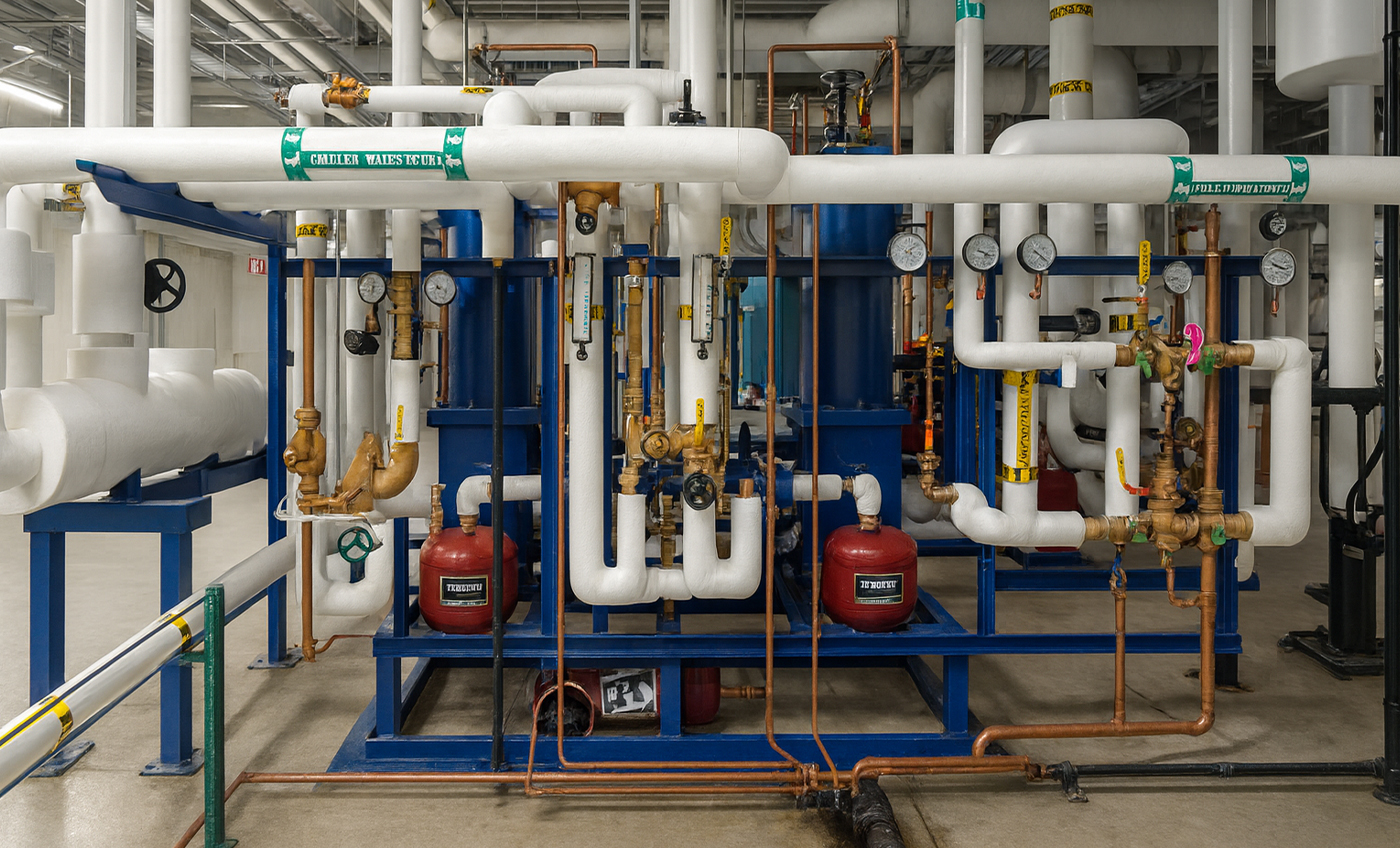
structural, mechanical, electrical, and plumbing (MEP). These clashes
may include spatial overlaps, misalignments, and conflicts that are
difficult to detect traditionally. Using 3D models, the service ensures
all potential issues are identified before construction, saving time, effort, and costs.
Cost and Time Savings
Early detection of clashes significantly reduces the chances of encountering costly rework or delays
during the
construction process. When clashes are not identified in advance, construction teams may encounter
issues on-site,
leading to interruptions and additional labour costs to resolve them. By resolving these issues in the
design phase,
projects stay on schedule and within budget, making the process more efficient and cost-effective.
Improved Collaboration
BIM Clash Detection promotes efficient real-time collaboration among project stakeholders,
including architects, engineers, and contractors. By working from the same updated 3D model, issues
are quickly identified and
addressed, streamlining communication and decision-making. This collaborative approach reduces
misunderstandings, fosters alignment,
and ensures seamless project execution, improving overall project efficiency, quality, and timely
delivery.
Project Quality
BIM Clash Detection enhances project quality by resolving design conflicts before construction. This
ensures seamless
integration of systems—architectural, structural, and MEP—minimizing errors and reducing rework.
Early detection improves cost
estimation, schedules, and resource planning, leading to better outcomes. It guarantees compliance
with industry standards, mitigates
risks, and ensures a smoother, more efficient final build.
Compliance
Clash Detection helps prevent structural and design issues while playing a crucial role in safety
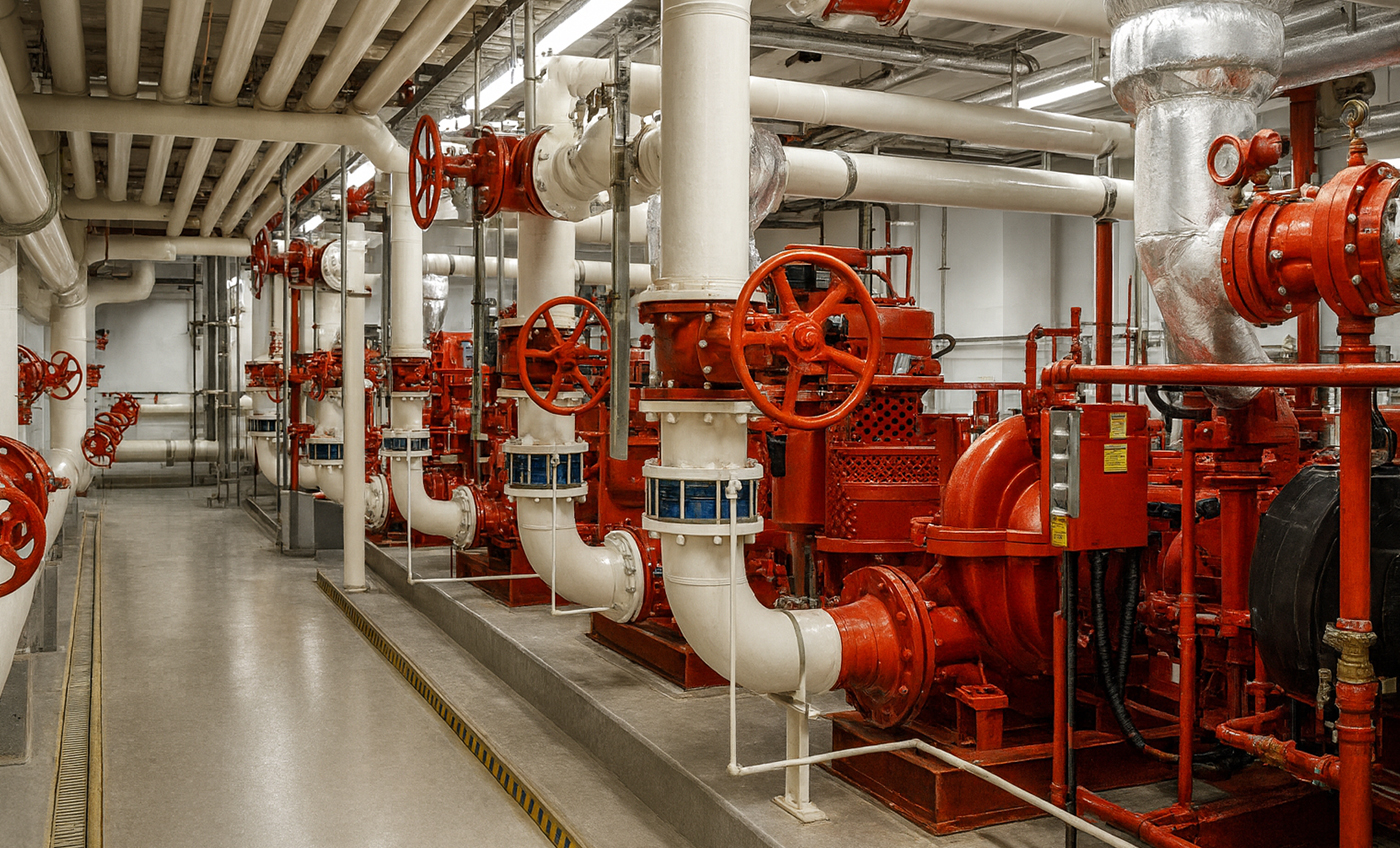
and regulatory compliance. It allows teams to identify potential hazards, such as interference
between
fire protection systems and HVAC, or compliance issues with local building codes. Early resolution
ensures
the project is structurally sound and compliant with relevant laws, mitigating risk throughout the
project lifecycle.
Frequently Asked Questions
+ What is Clash Detection
in construction?
Clash Detection identifies
design conflicts before construction, preventing costly errors and ensuring smooth integration of
building systems.
+ Why is Clash Detection
important?
It prevents rework, delays,
and budget overruns by detecting design issues early, improving coordination and project efficiency.
+ What software do you
use?
We use Navisworks, Revit, and
BIM 360 to detect clashes, generate reports, and streamline collaboration for accurate project
execution.
+ How does Clash
Detection improve efficiency?
By spotting conflicts early,
it prevents disruptions, enhances teamwork, and ensures construction stays on schedule and within
budget.
+ Who benefits from Clash
Detection?
Architects, engineers, and
contractors gain improved accuracy, fewer errors, and better coordination, leading to smoother project
execution.
+ When should Clash
Detection be done?
It should be performed during
design and pre-construction to resolve issues early, reducing costly changes and keeping projects on
track.
+ What’s included in your
reports?
Our reports provide detailed
clash lists, severity levels, visual representations, and recommended solutions for efficient issue
resolution.
+ How does it save costs?
By detecting issues early, it
prevents rework, reduces material waste, and improves planning to keep projects within budget.
+ Do you offer ongoing
support?
Yes, we update reports,
coordinate with teams, and ensure smooth integration of design changes throughout the project lifecycle.
+ How can I get started?
Contact us via our website,
share your project details, and we’ll provide a tailored Clash Detection plan to meet your needs.