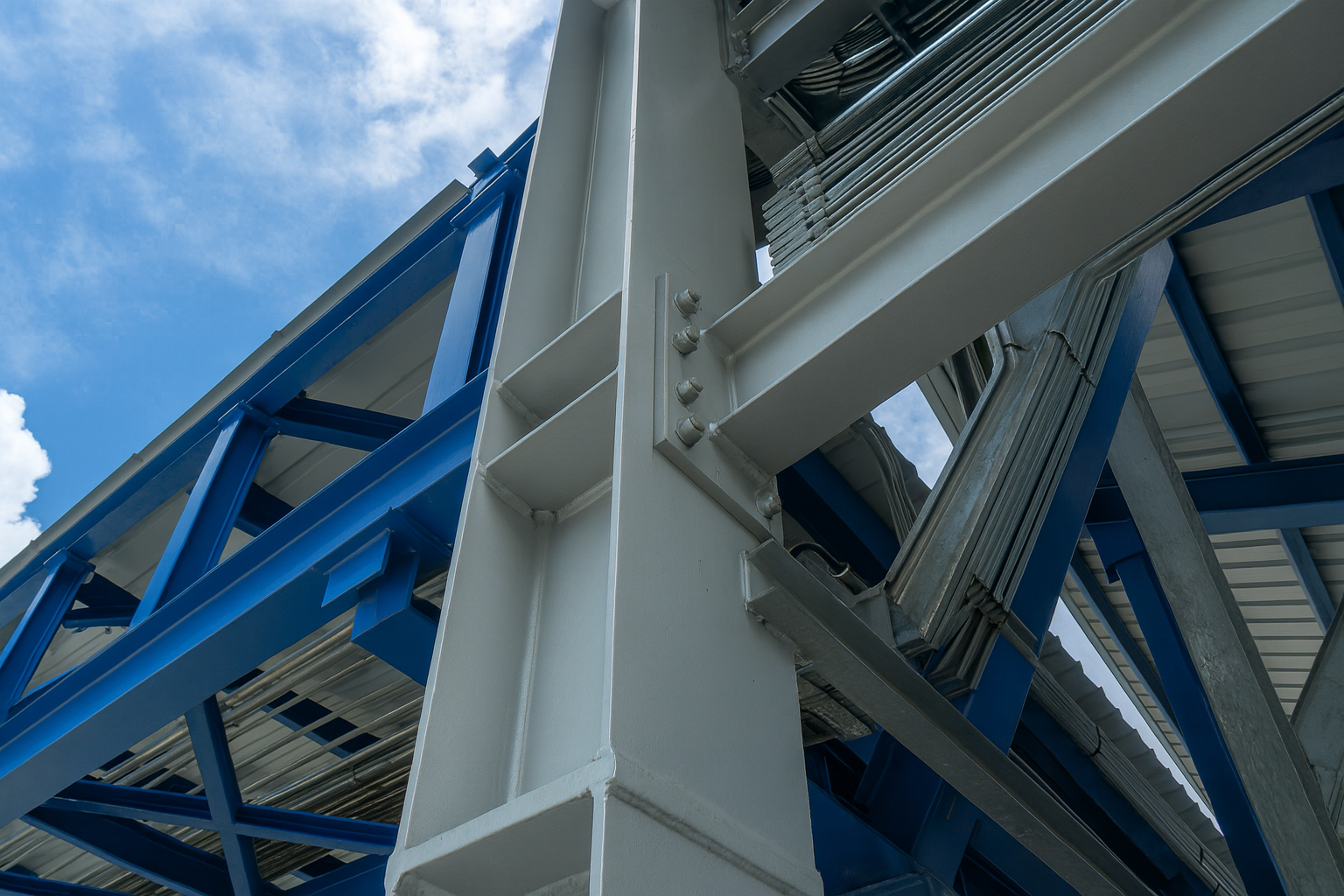
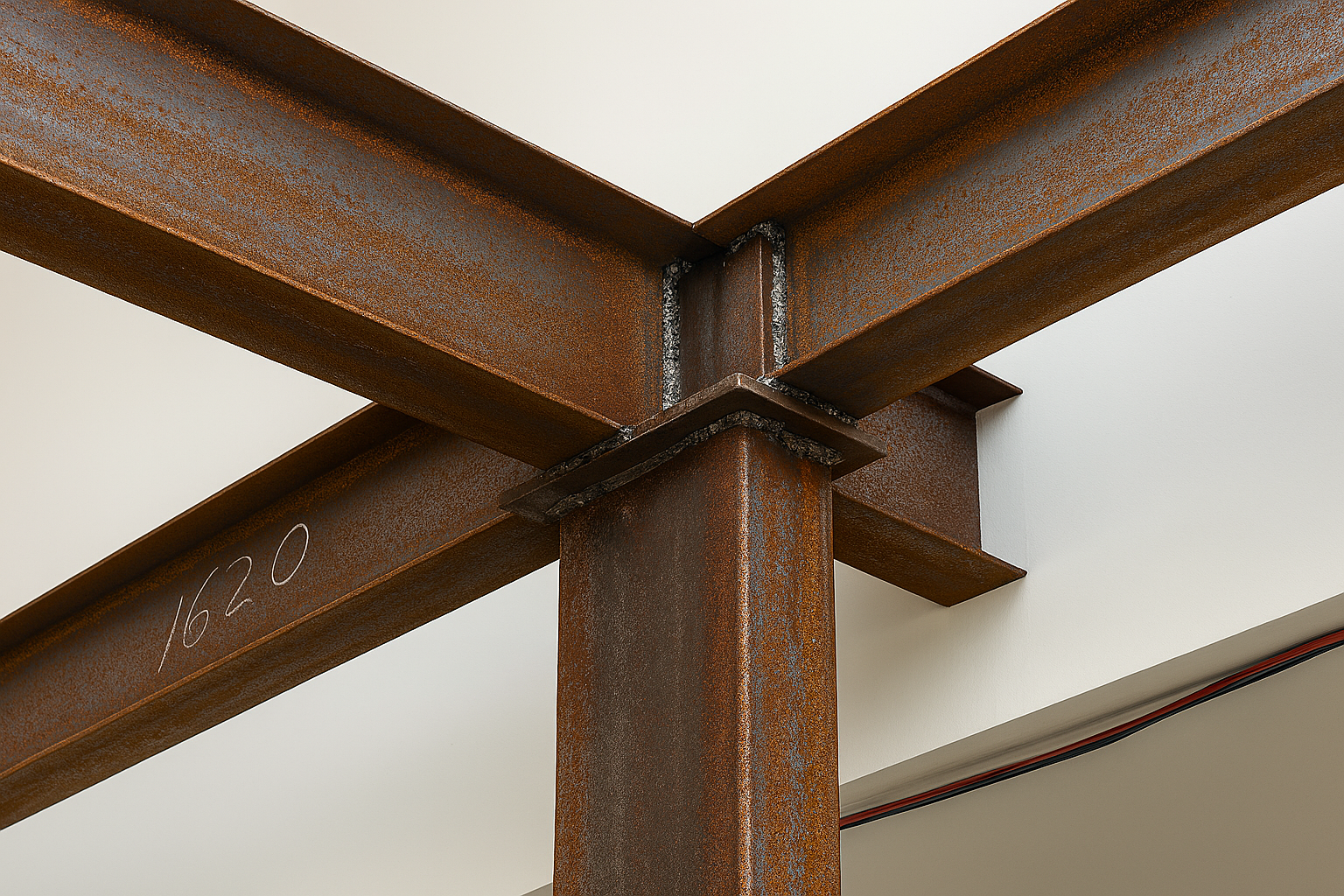
Steel Connection Design
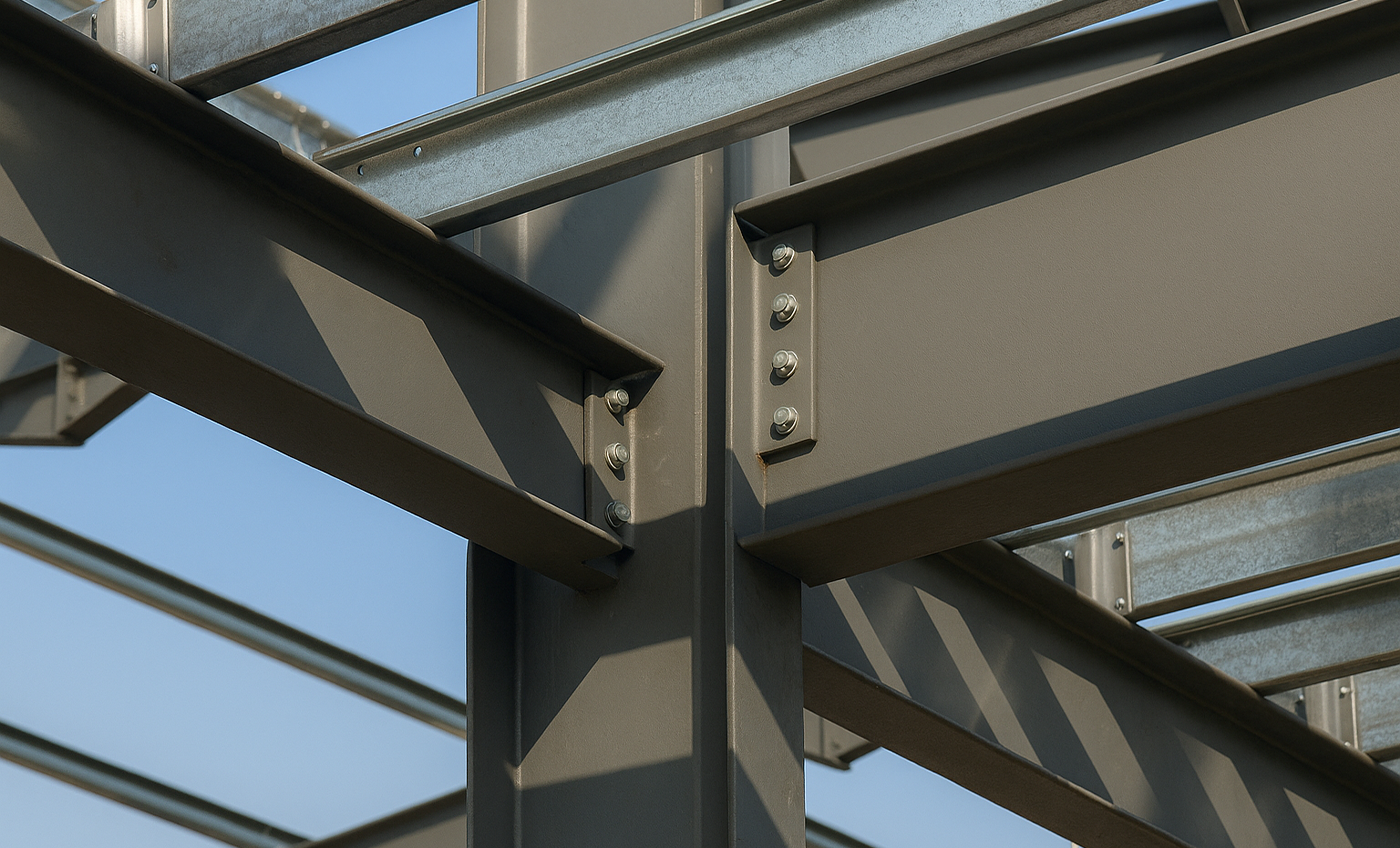
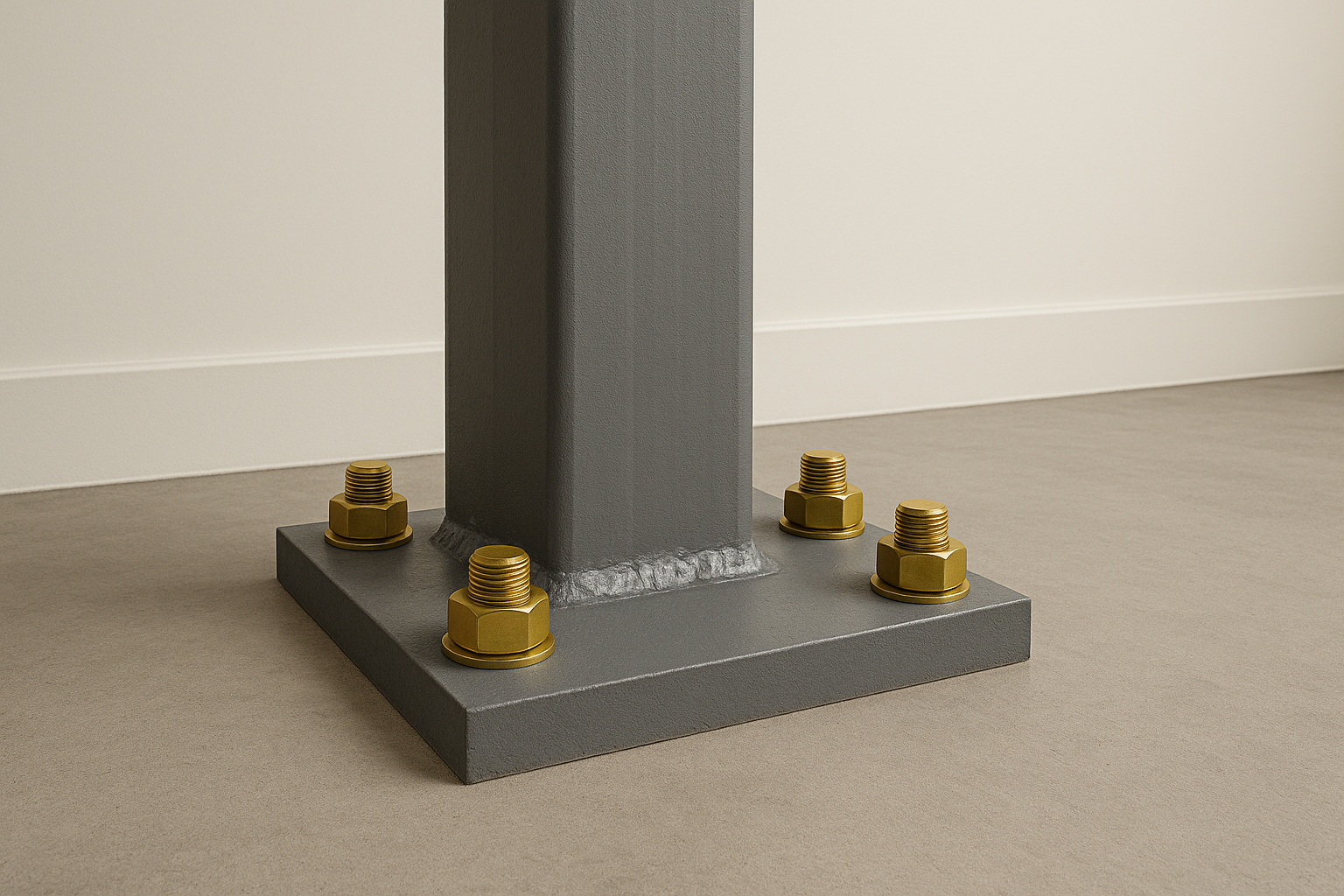
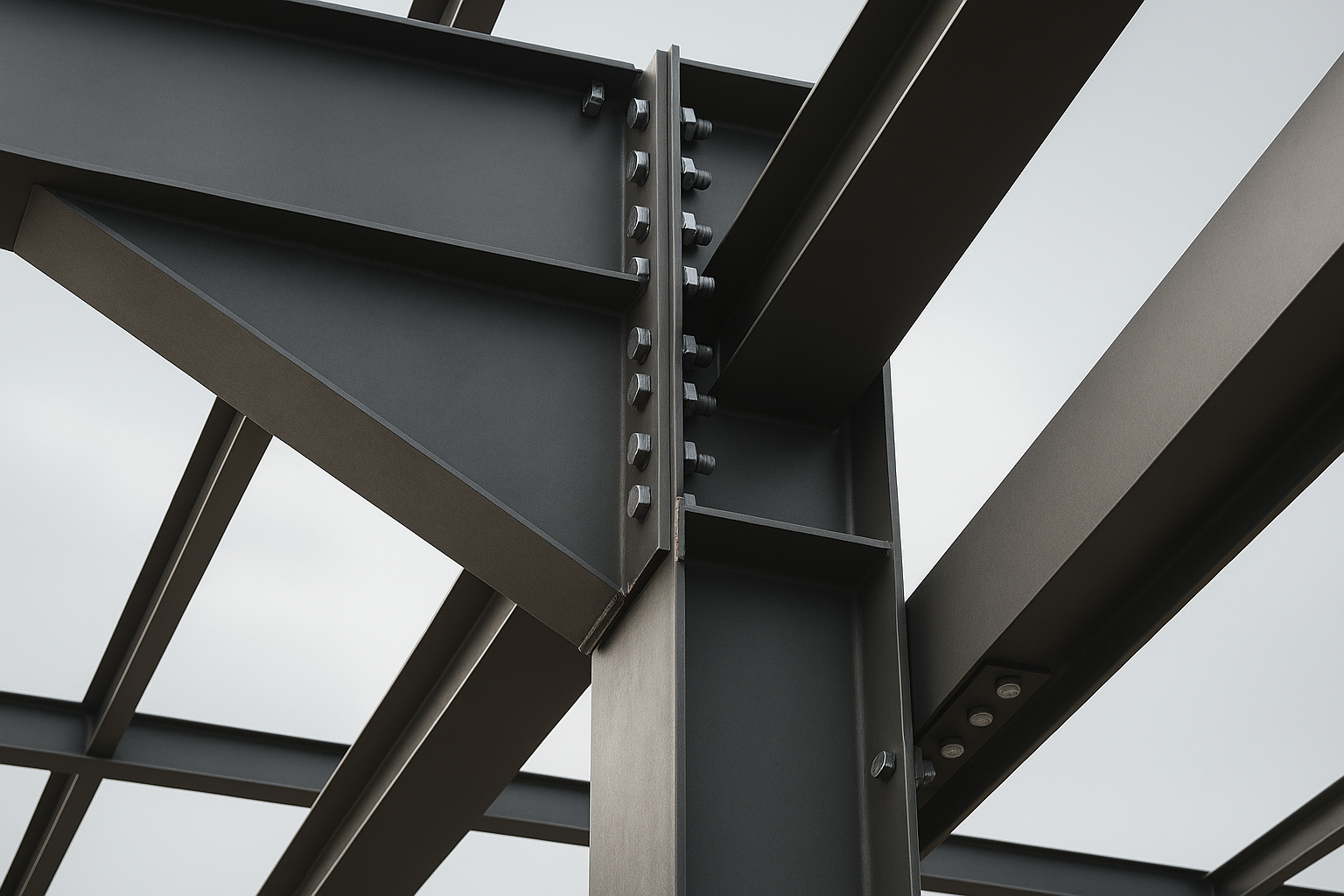
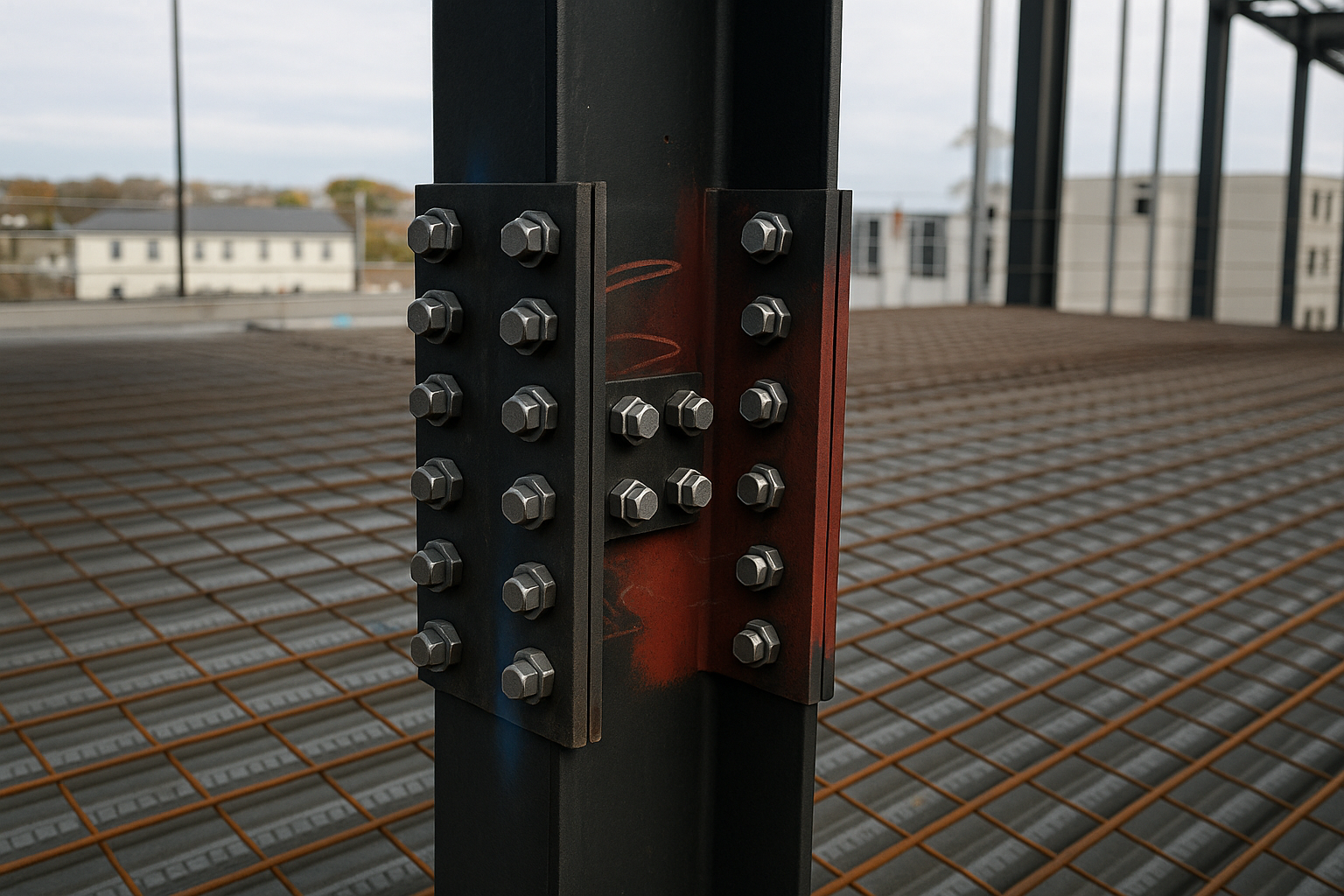
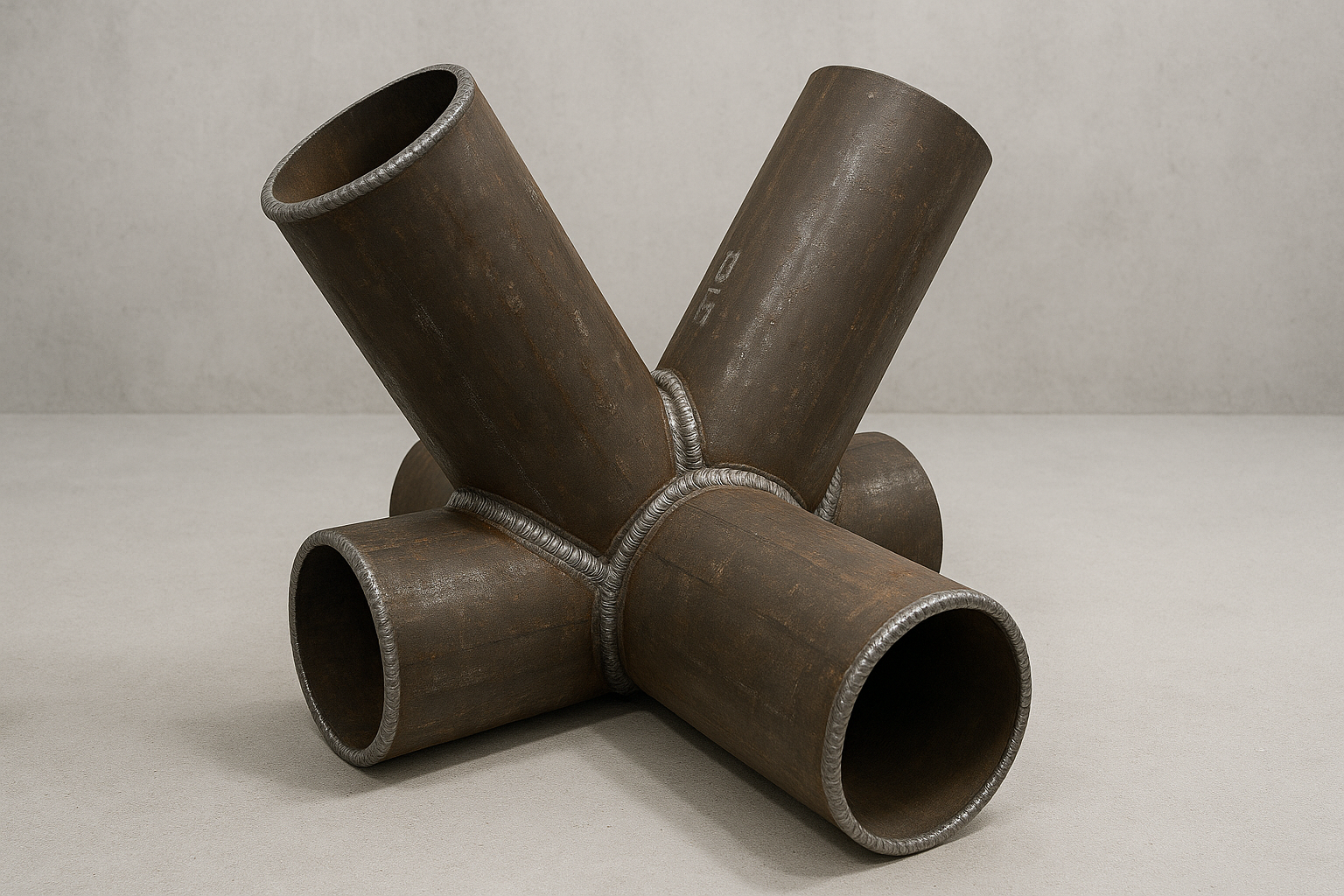
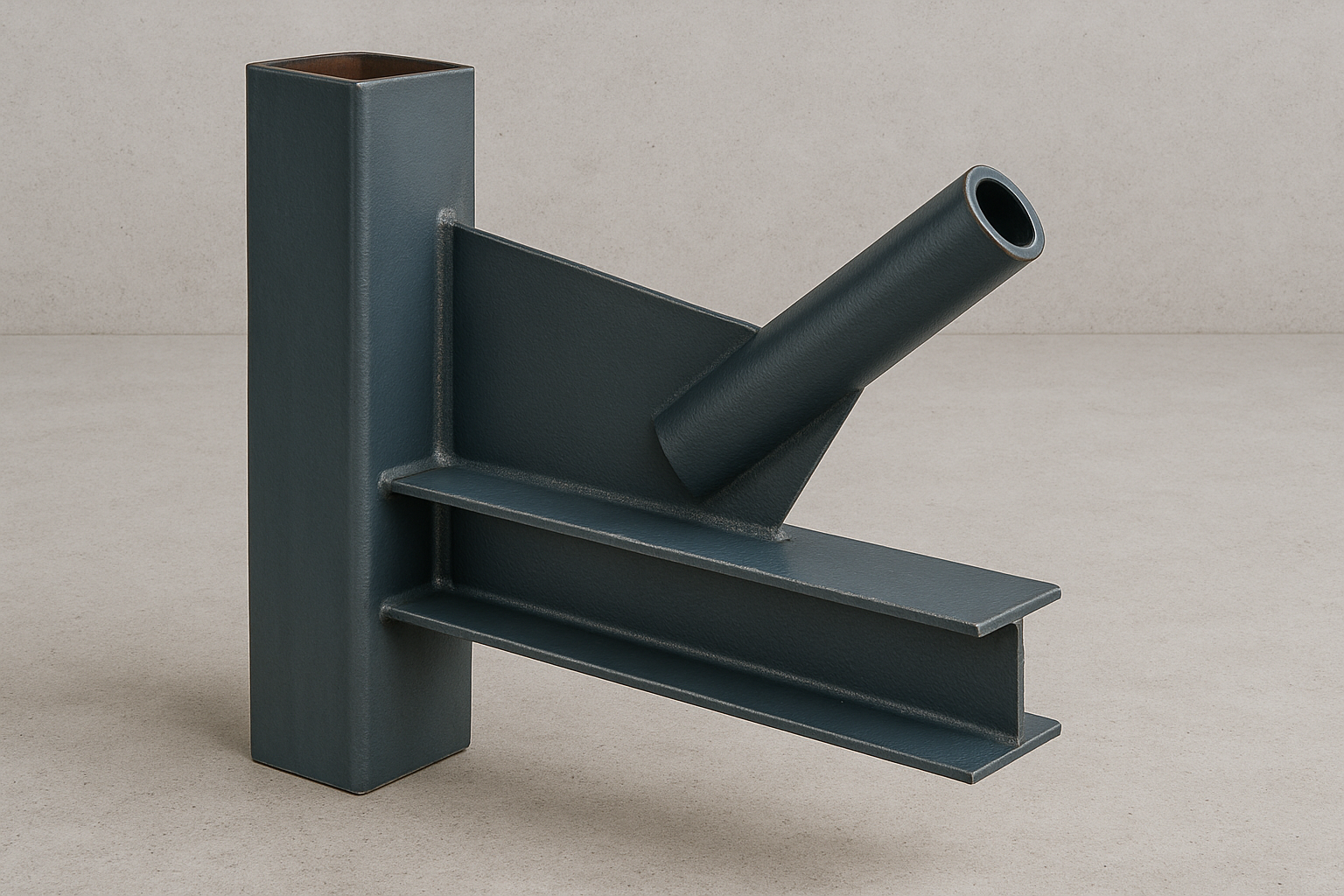
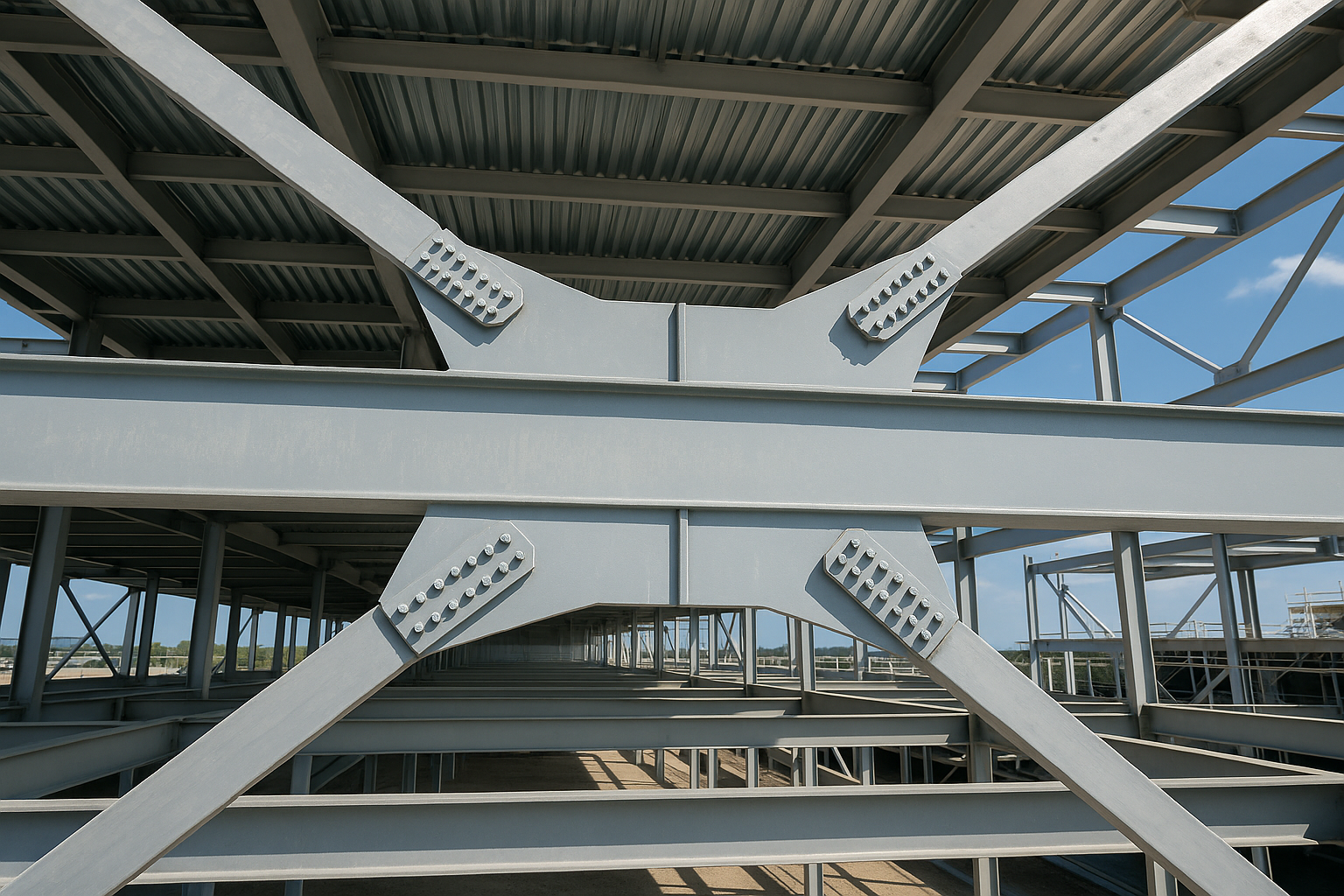
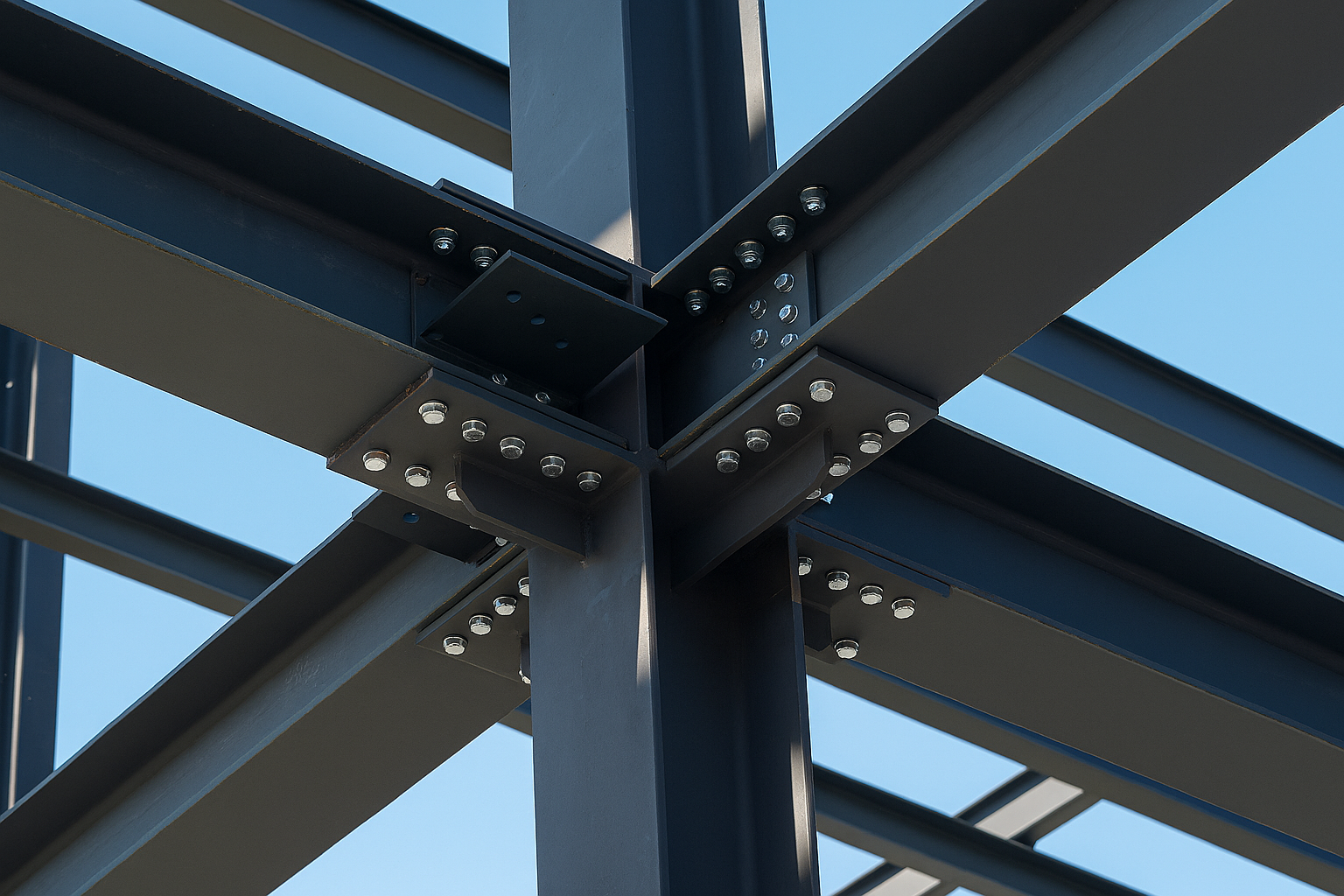
Structural steel connection design ensures secure joints between steel members for effective load
transfer and stability. Bolted and welded connections must withstand various forces while complying with
building codes and standards. Well-designed connections enhance structural strength, optimize
construction efficiency, and improve cost-effectiveness. Additionally, they provide flexibility in
architectural design while minimizing the risk of failure, contributing to the longevity and performance
of steel structures.
Codes & Standards
Our connection designs are carefully developed to surpass industry standards, including AISC,
Eurocode, and local
seismic codes. This guarantees that each connection is not only safe and durable but also fully
compliant with
all legal and regulatory requirements. We are dedicated to staying informed on the latest updates to
relevant
codes and standards, ensuring our solutions are innovative, reliable, and deliver optimal
performance.
Precision Engineering
Our expert team is dedicated to designing structural steel connections with precise accuracy,
ensuring effective load transfer
and lasting strength. Using advanced modeling and simulation tools, we thoroughly assess the
performance of each connection under
varying load conditions. This meticulous process results in robust connections that can endure both
static and dynamic forces, while
optimizing material use to minimize waste and cut costs.
Tailored Solutions
We understand that each project presents its own unique challenges, which is why we provide
customized connection designs
that meet the specific requirements of your structure. Whether for industrial facilities, high-rise
buildings, or bridges,
our designs are engineered to deliver maximum efficiency, meet performance goals, and address
constraints such as space
limitations or load-bearing needs, all while keeping costs in check.
Efficient Integration
We prioritize seamless integration between our structural steel connections and the rest of your
project. By working closely with
architects, engineers, and contractors, we ensure that our designs align perfectly with the overall
structure. This collaborative
approach reduces potential construction delays, eliminates conflicts, and guarantees that all
components beam, columns, and braces
fit together precisely for maximum performance and efficiency.
Software & Tools
To ensure the highest accuracy and efficiency, we use leading-edge design tools like AutoCAD, Revit,
and specialized connection
design software such as RAM Connection and Tekla Structures. These tools allow us to create detailed
3D models, optimizing connection
designs for both structural integrity and cost-effectiveness. Our use of advanced technology also
results in highly precise fabrication
drawings, minimizing errors during production and installation.
Frequently Asked Questions
+ What is Steel
Connection Design?
Steel Connection Design
involves engineering safe, efficient, and code-compliant joints between steel structural elements.
+ Why is Steel Connection
Design important?
Proper design ensures
structural stability, load transfer, and compliance with safety standards, preventing failures and
inefficiencies.
+ What types of steel
connections do you design?
We design bolted, welded,
moment, shear, braced, and custom connections based on structural and project requirements.
+ What codes and
standards do you follow?
We comply with AISC,
Eurocode, BS, IS, and other relevant international and regional steel design standards.
+ What software do you
use for connection design?
We utilize Tekla, SDS/2,
STAAD Pro, and other advanced tools to ensure precise and optimized designs.
+ Do you provide steel
connection design support and detailing for fabrication?
Yes. We provide connection
design support and detailed drawings based on engineer-provided criteria for fabrication and
coordination.
+ What industries benefit
from your services?
Our designs support
construction, industrial, commercial, and infrastructure projects needing efficient steel connections.
+ How long does the
design process take?
Timelines vary based on
project size and complexity, typically ranging from a few days to a couple of weeks.
+ What information do you
need to start a project?
We require structural
drawings, load details, material specifications, and any project-specific requirements.
+ How do I get a quote
for steel connection design?
Contact us with project
details, and we’ll provide a customized proposal based on scope, complexity, and deadlines.