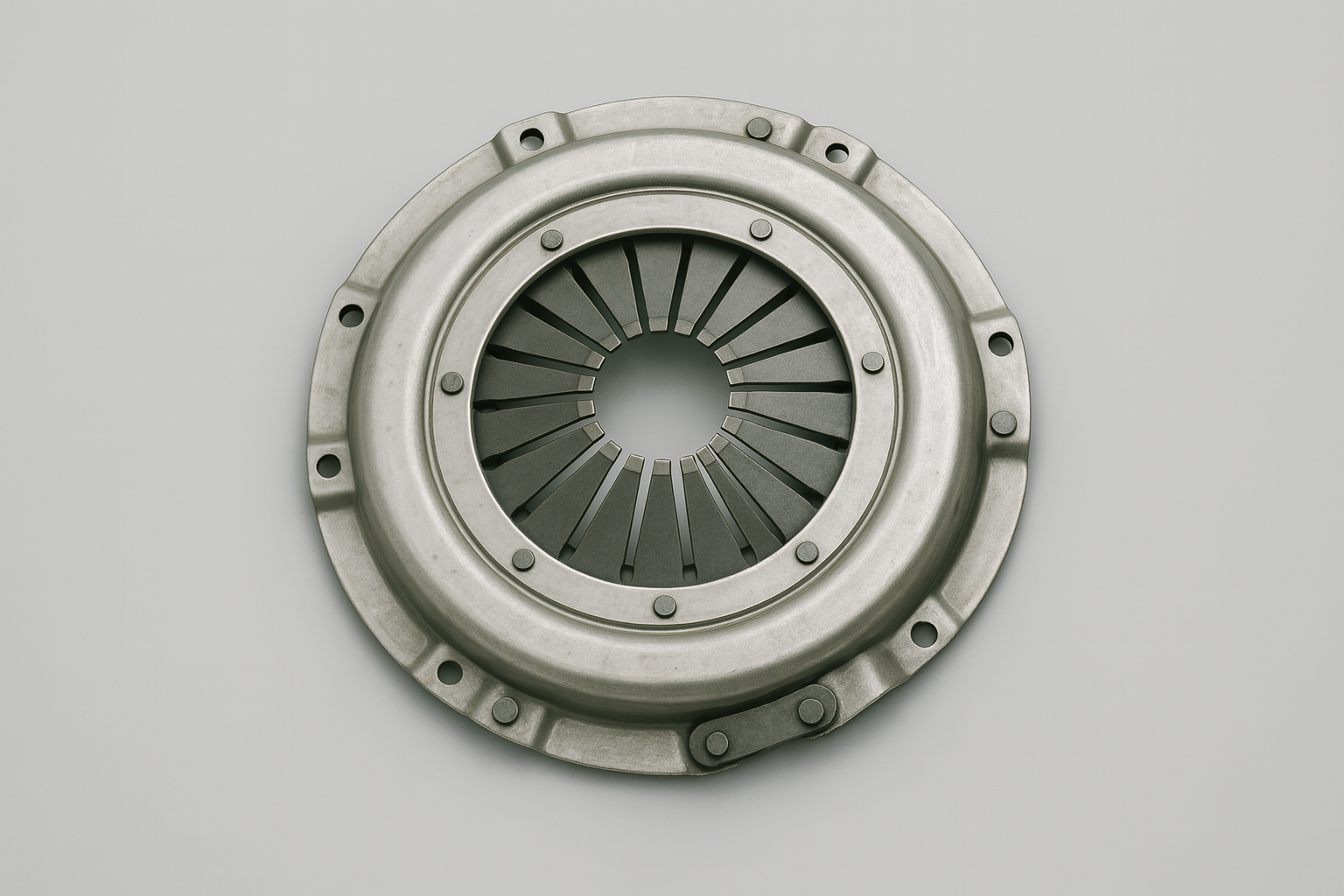
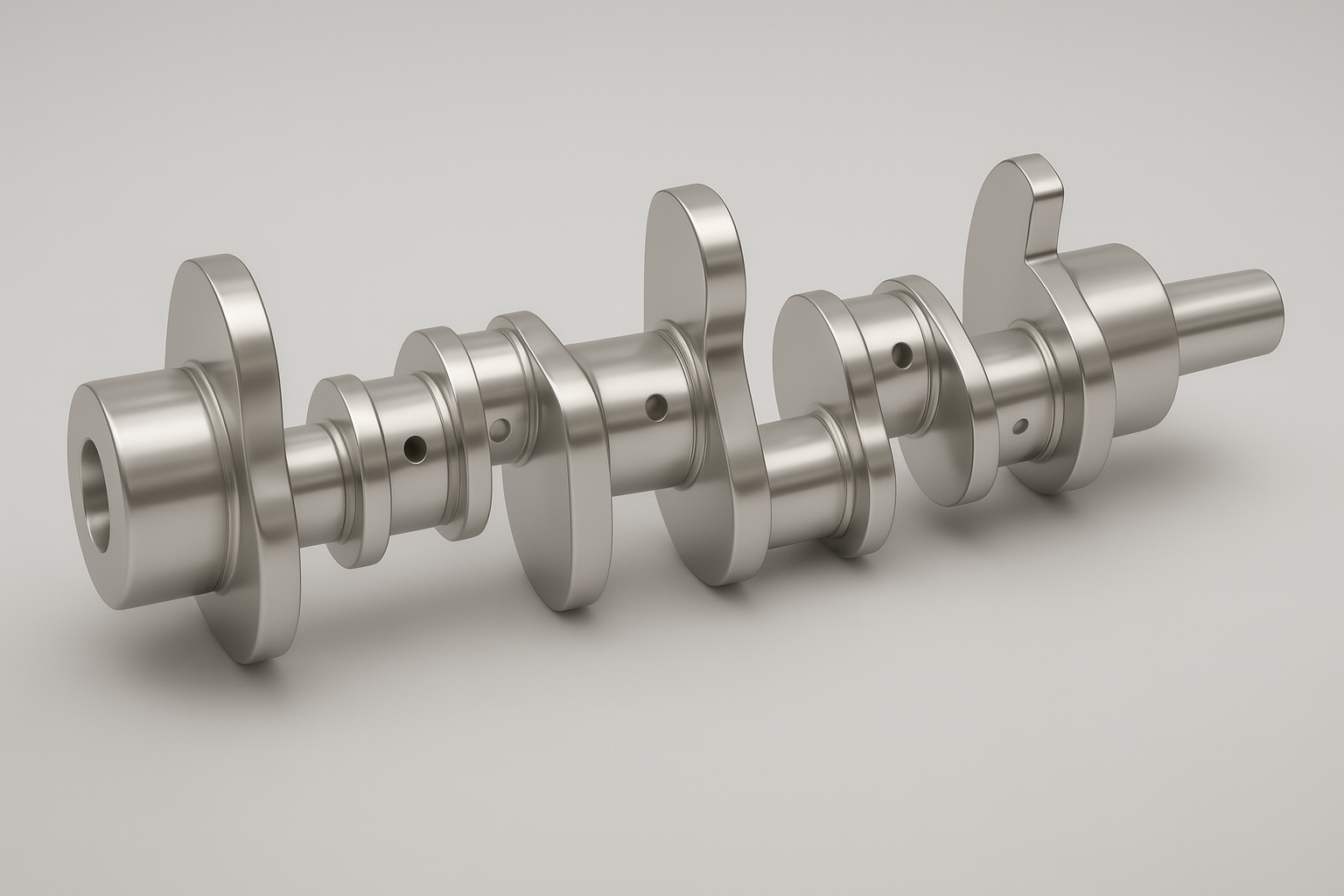
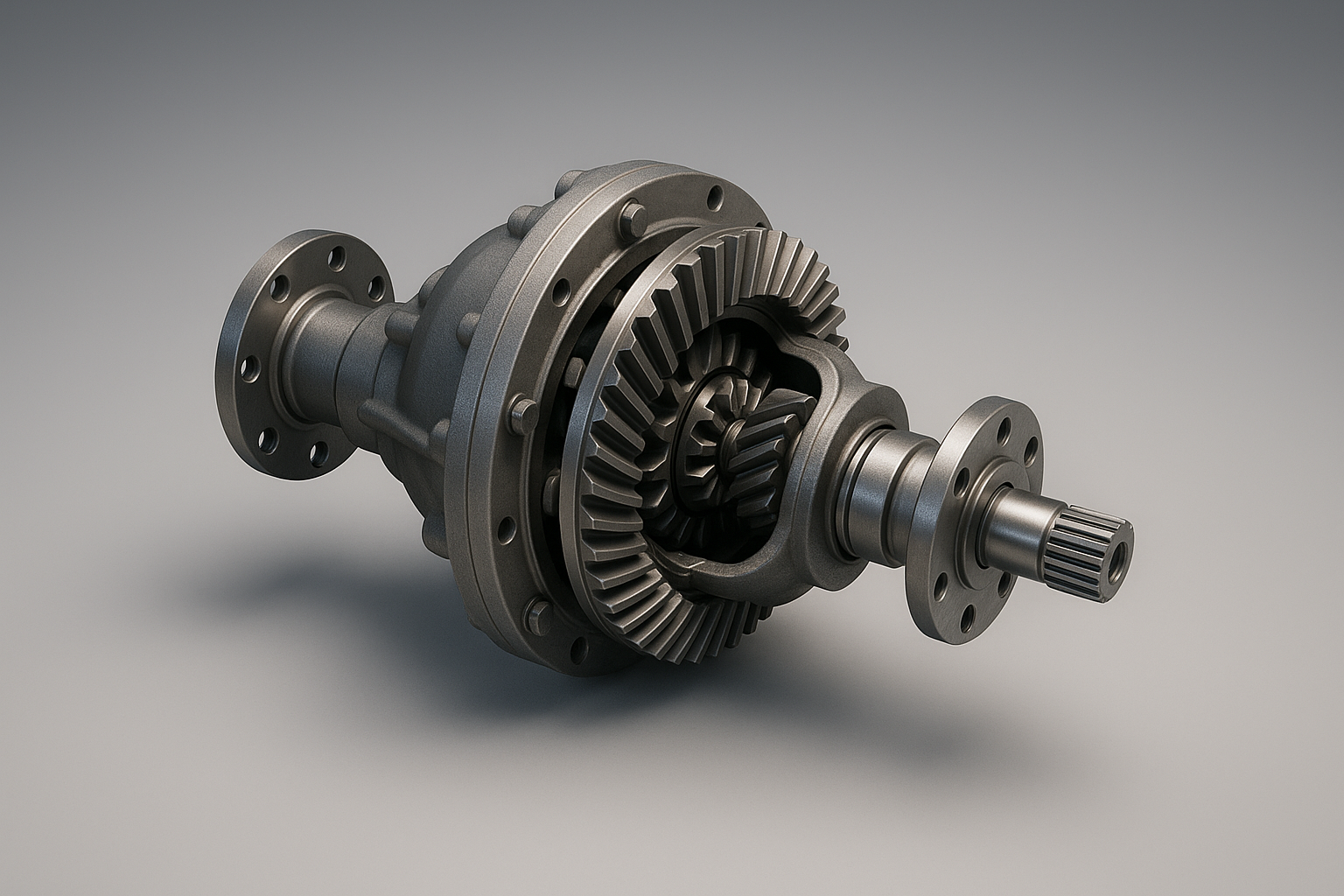
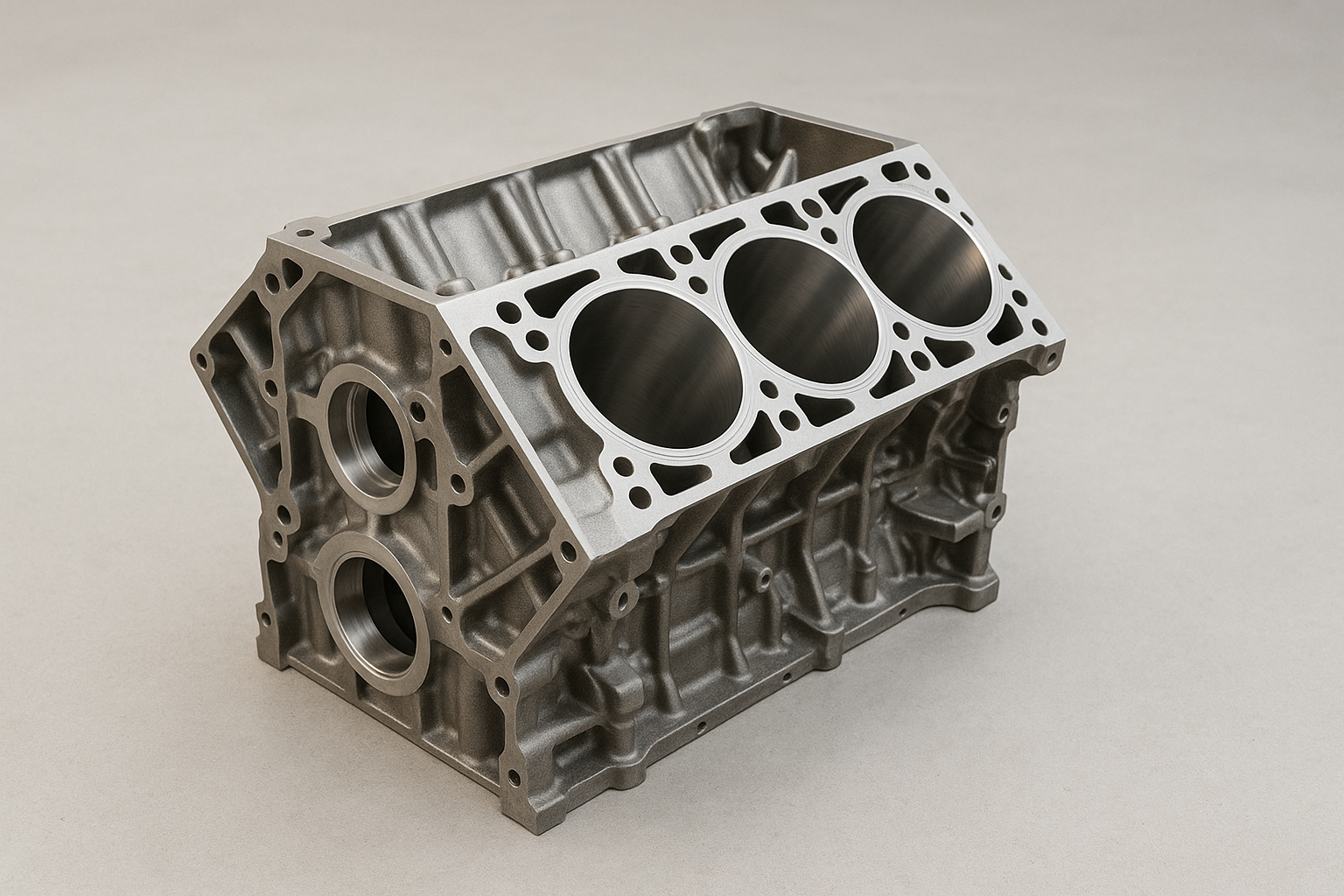
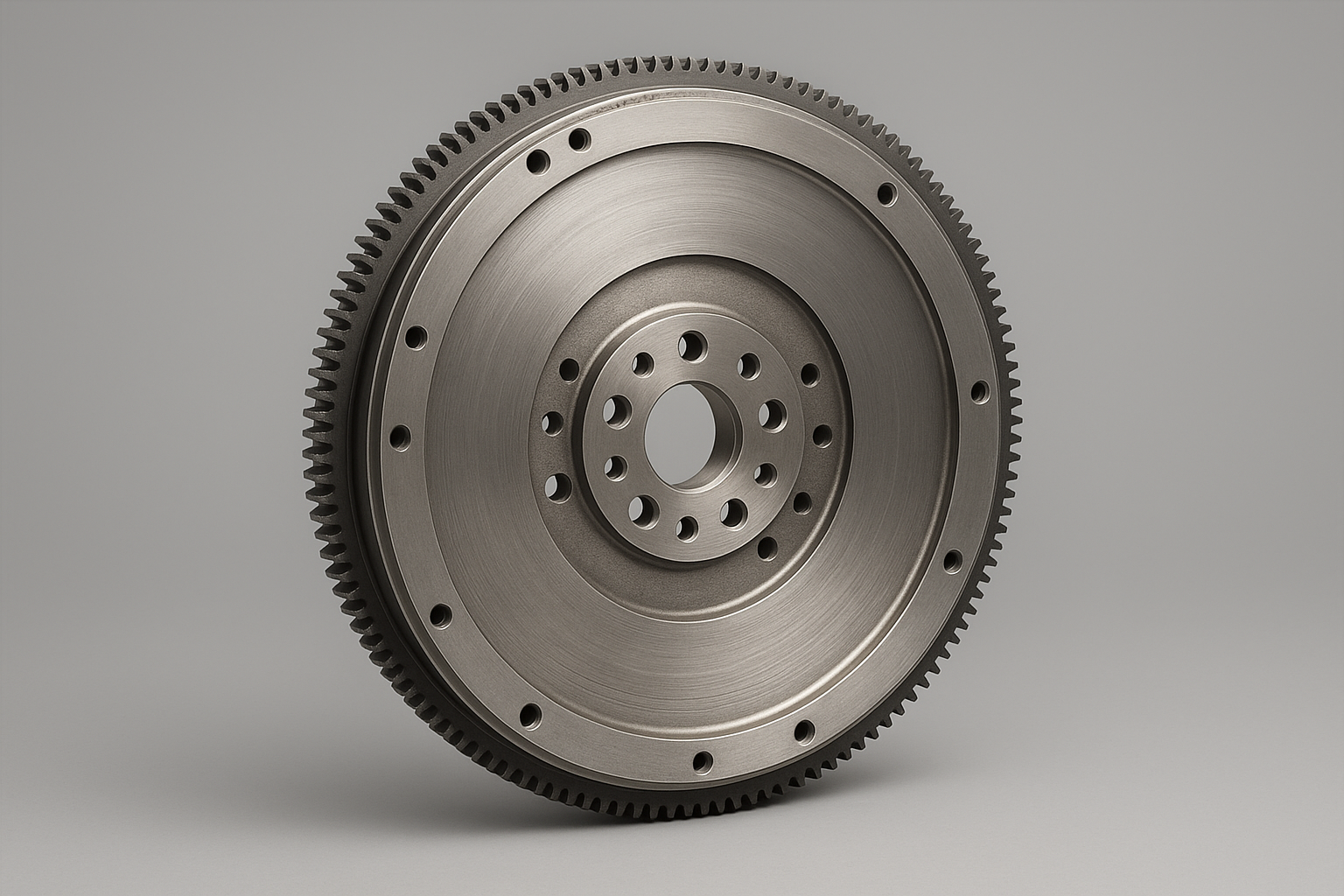
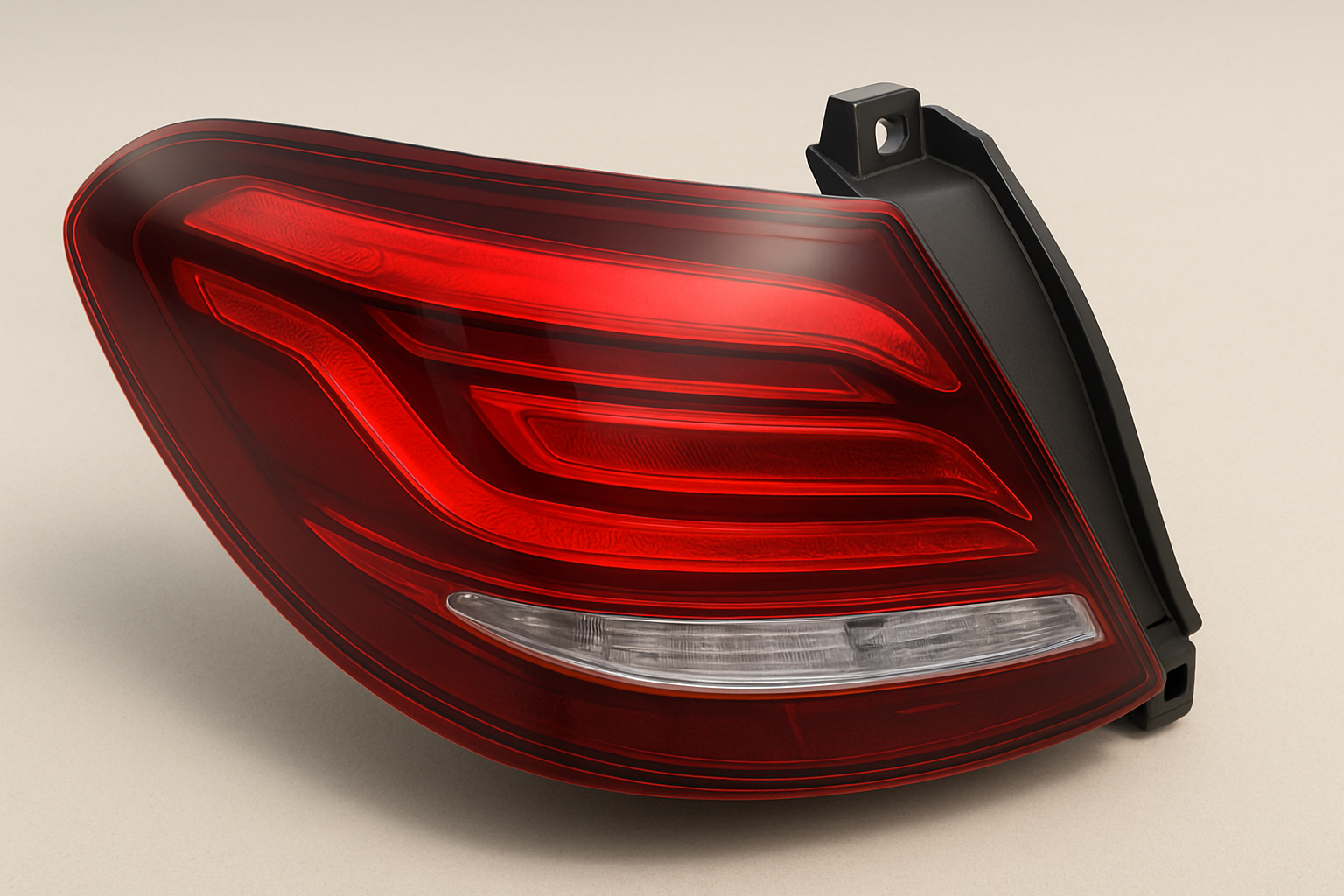
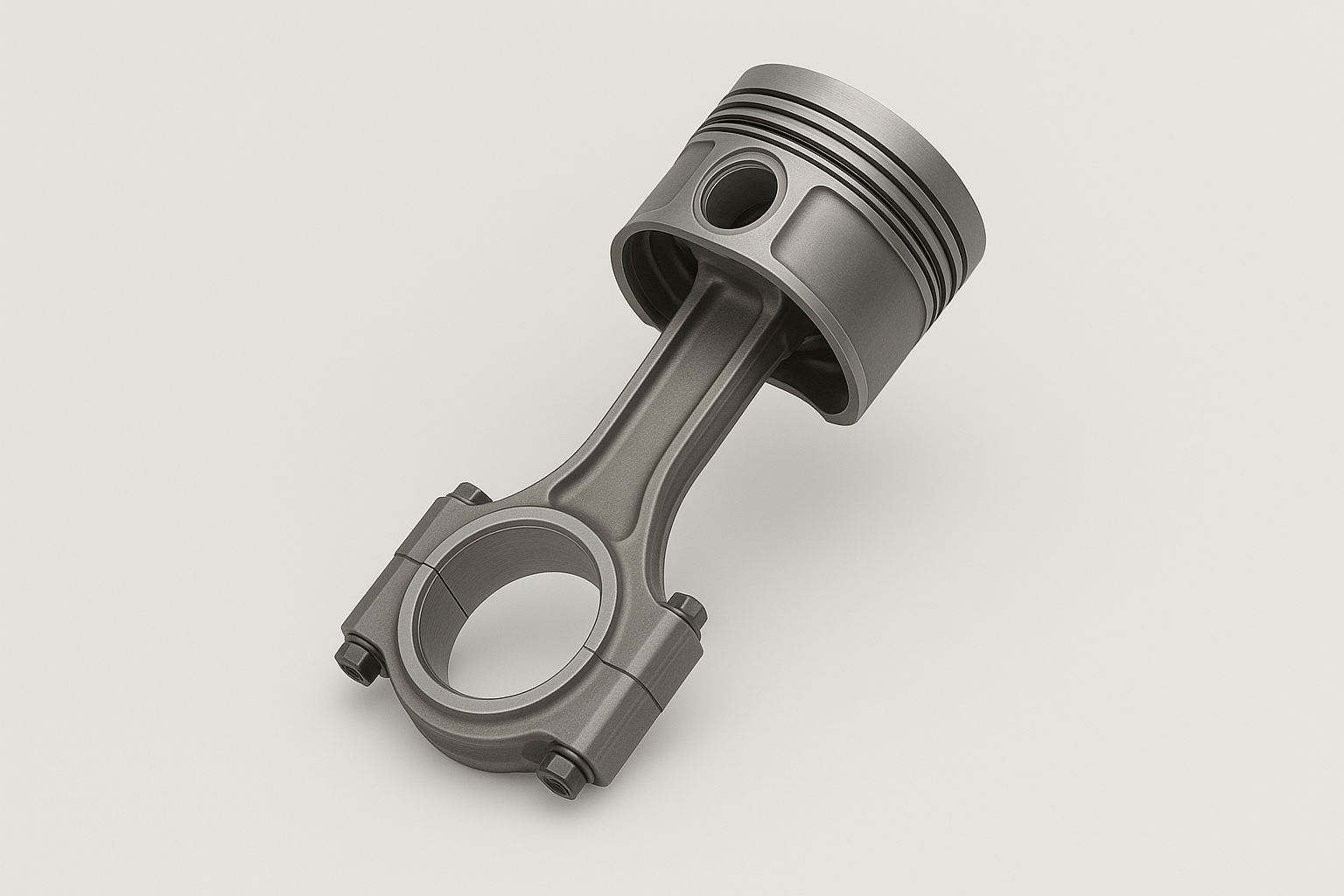
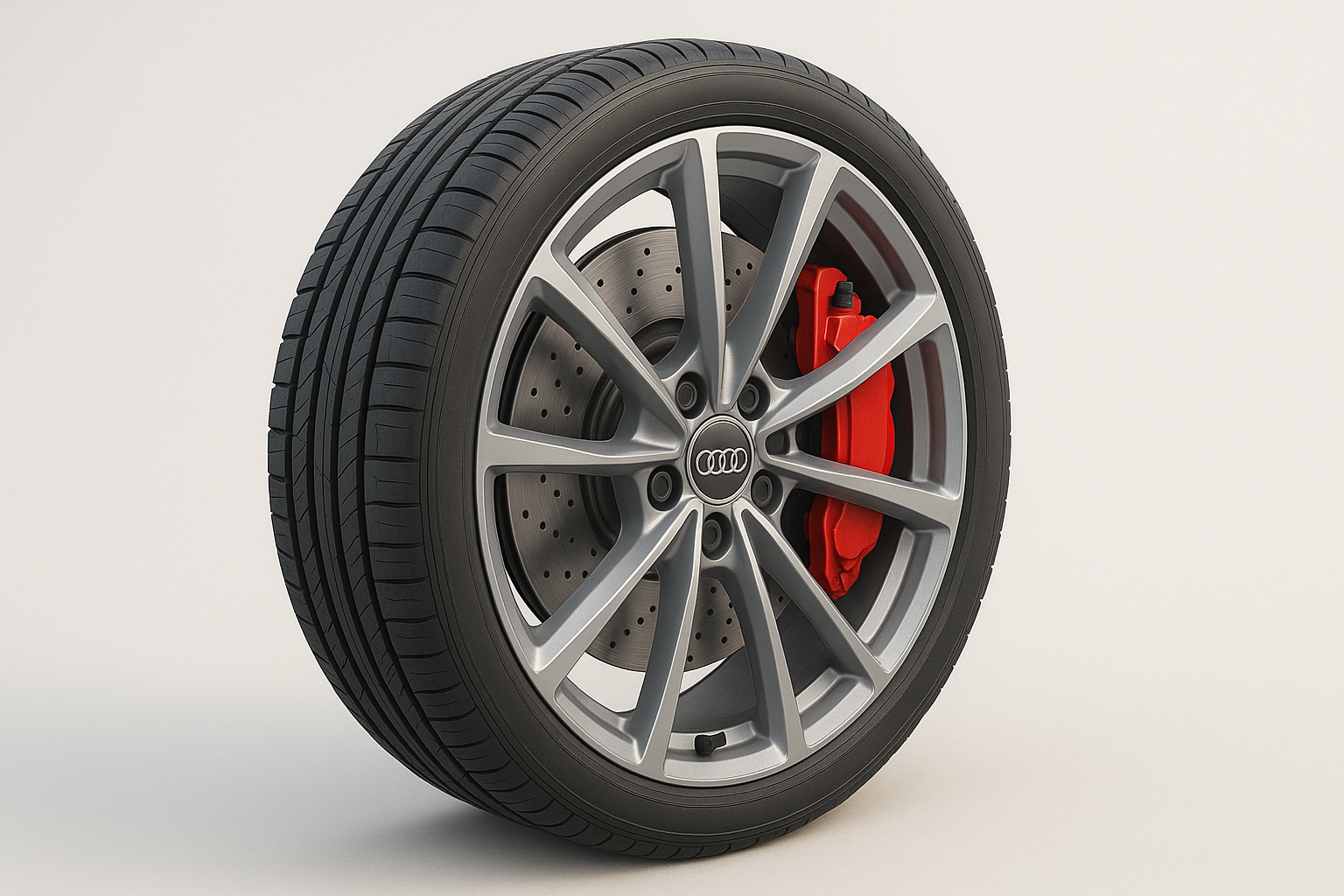
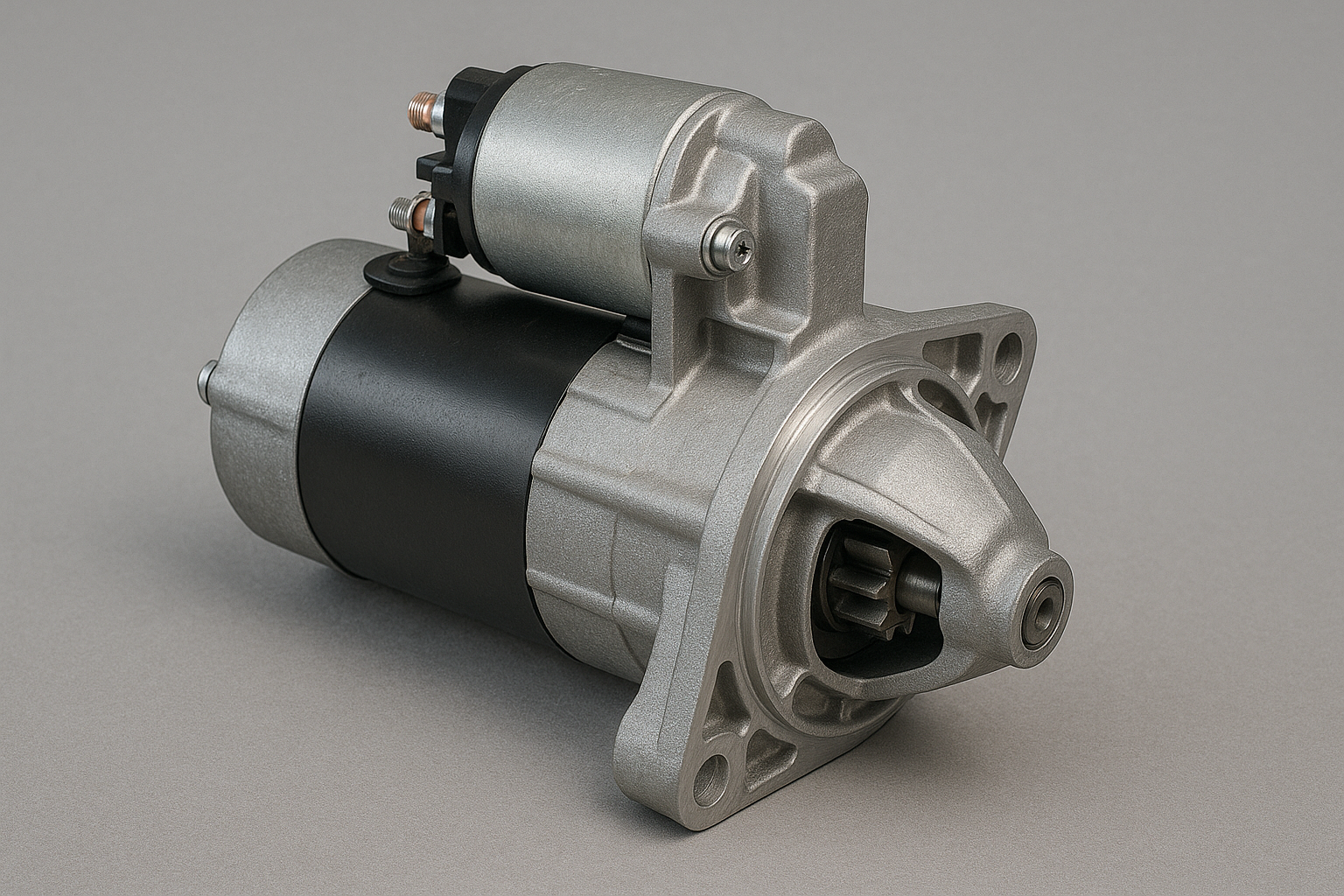
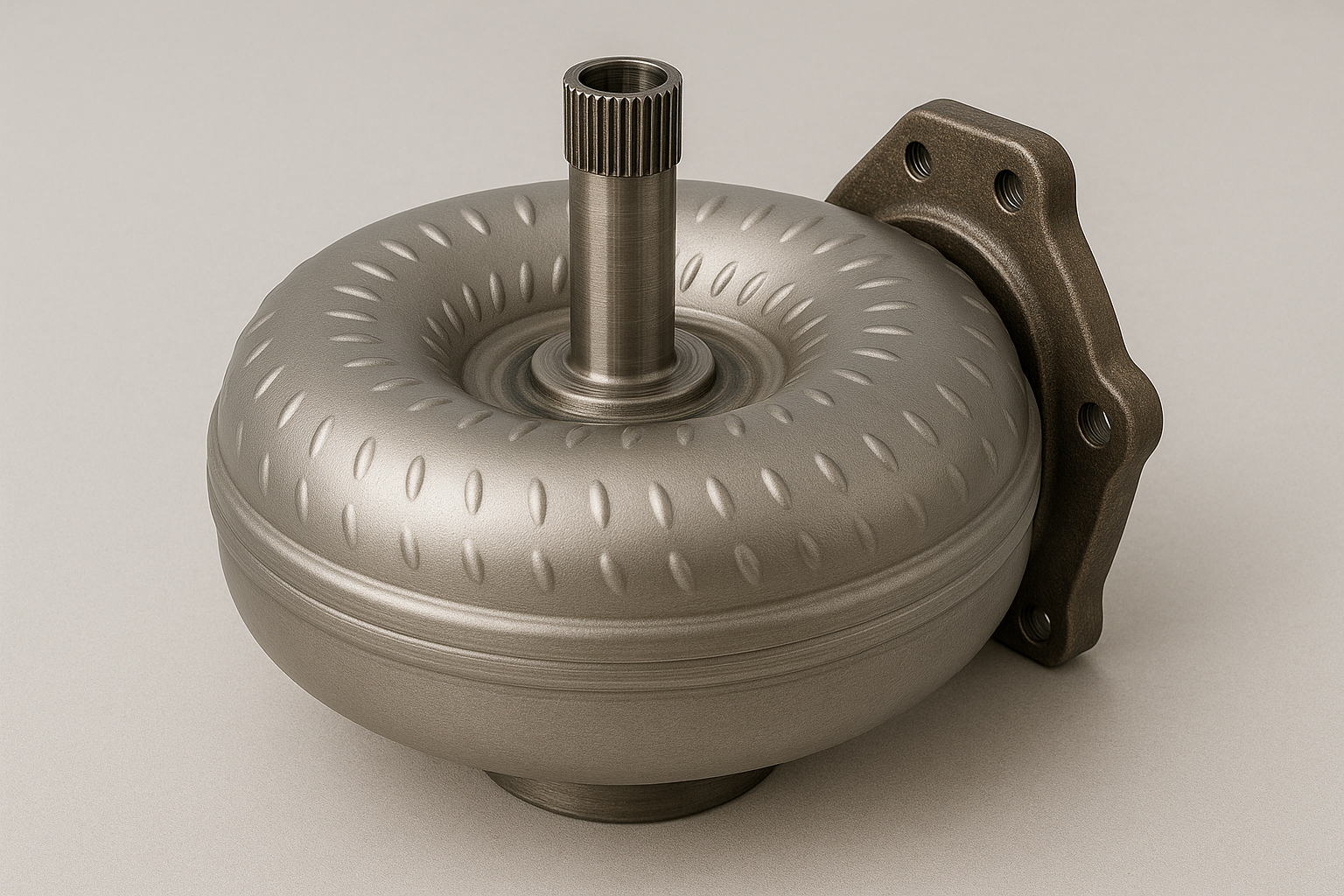
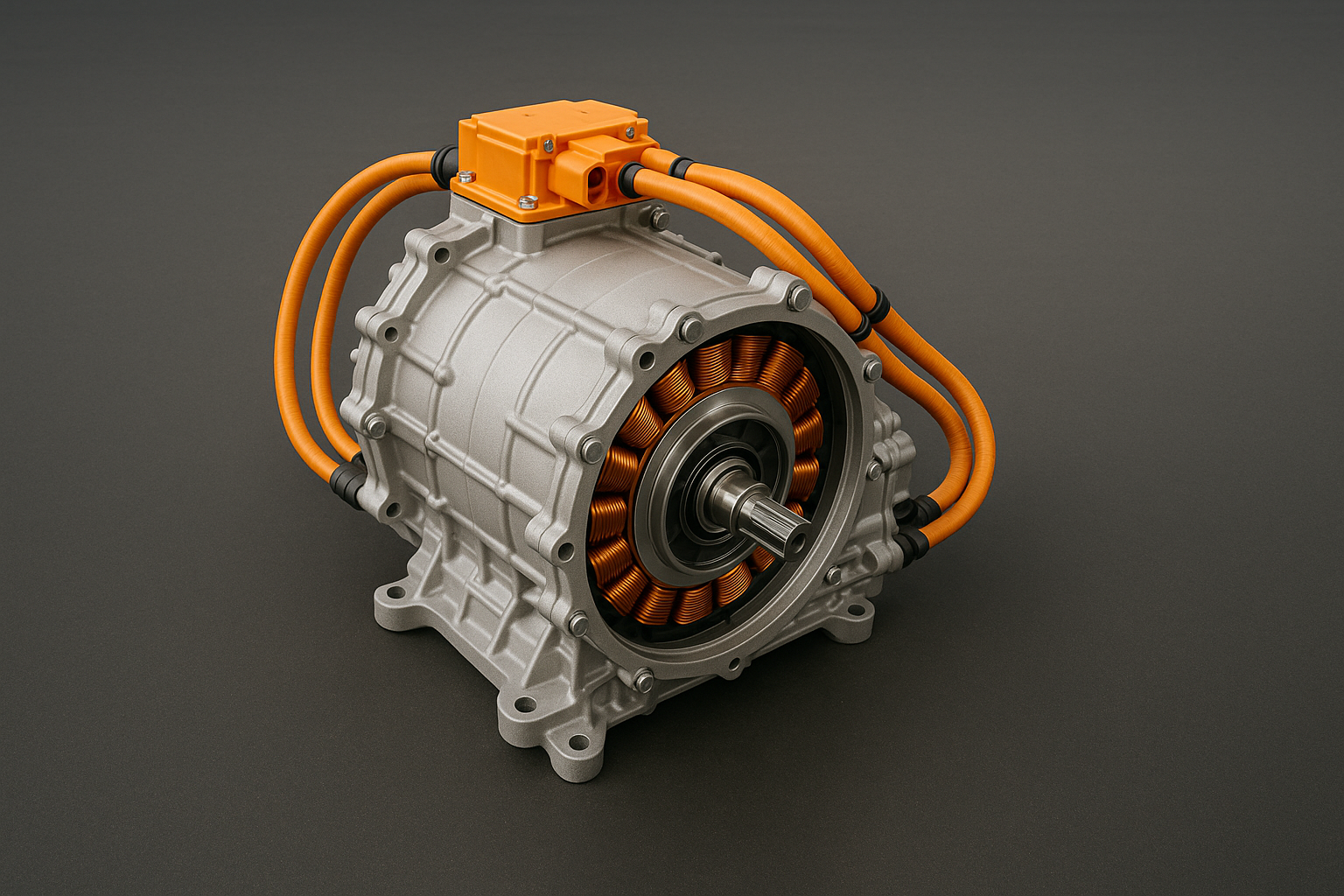
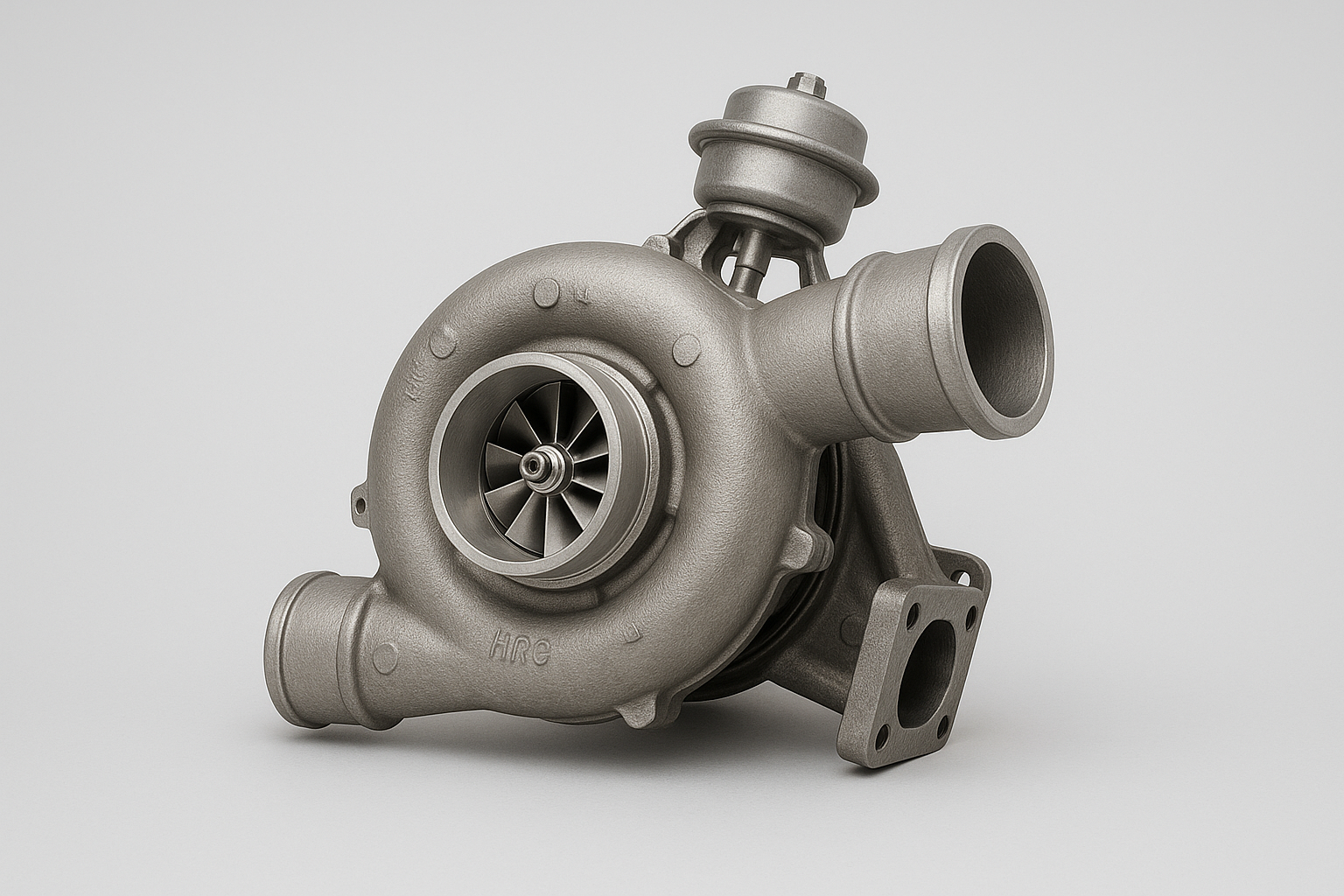
We deliver high-precision 3D CAD models for the automotive industry, covering complex
components, assemblies, and surface designs. Our expertise ensures Class-A surfacing
for aesthetics, parametric flexibility for design variations, accurate assemblies with
interference checks, and seamless integration with CAE and manufacturing processes.
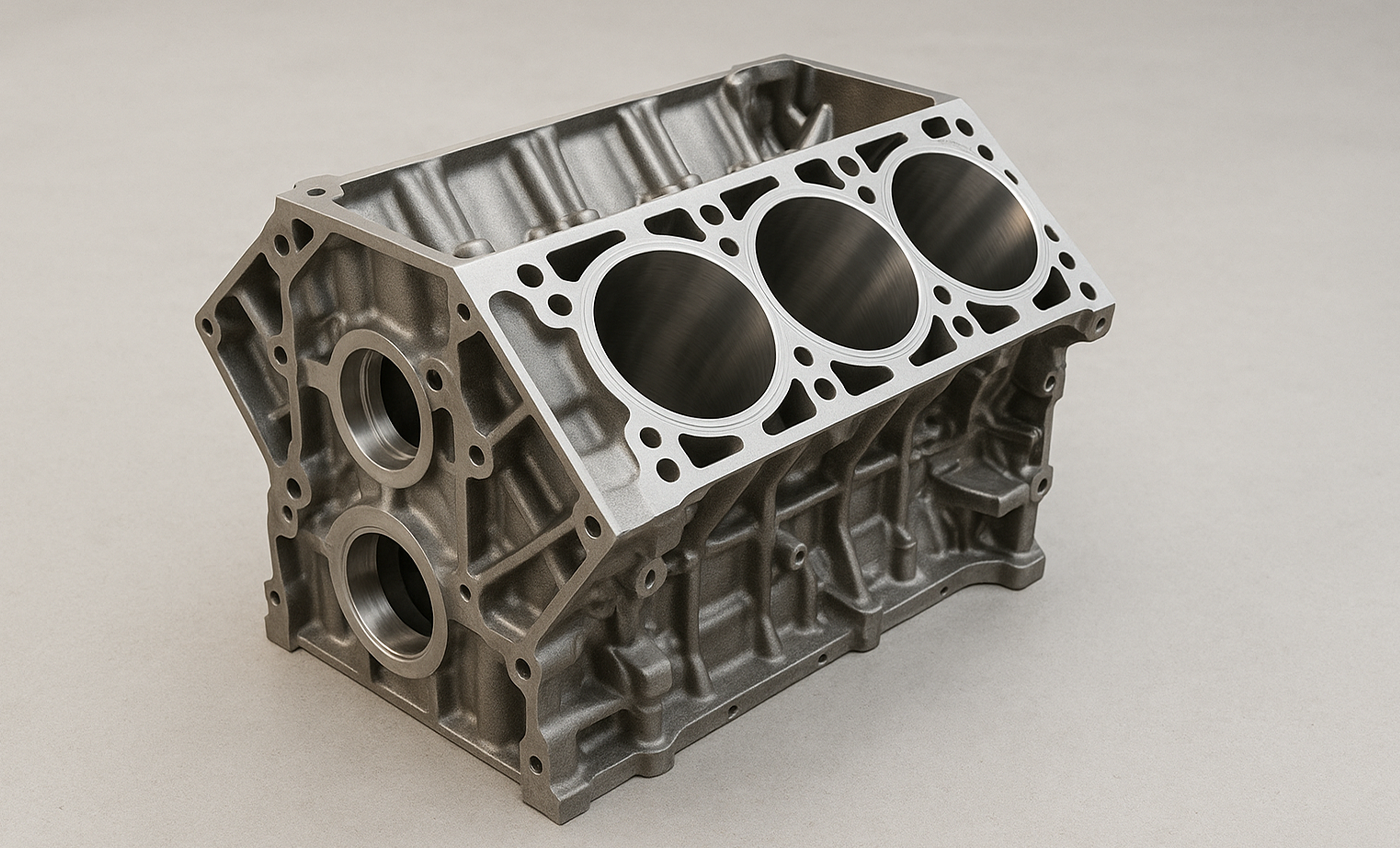
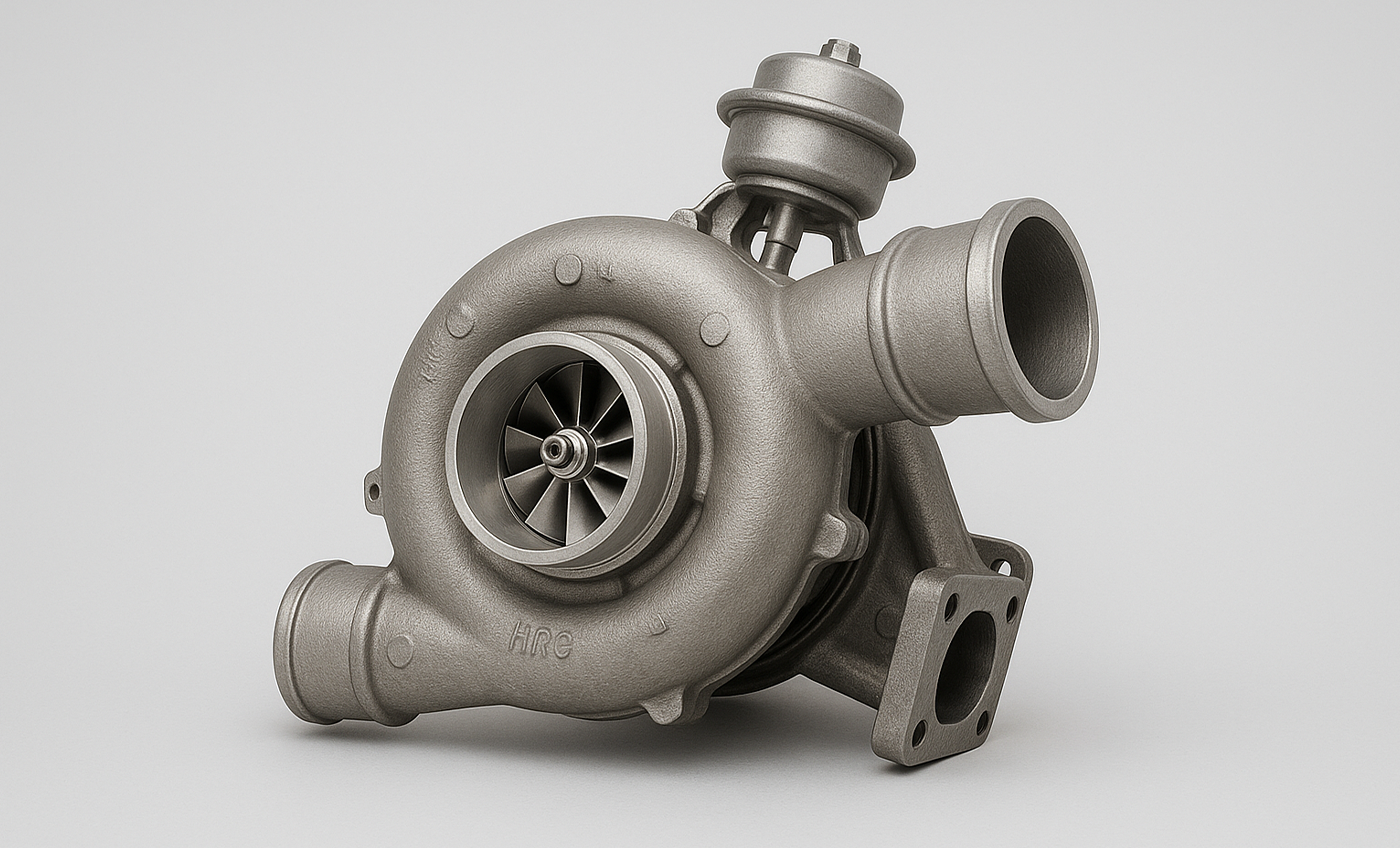
From engine blocks to headlights, wheels, and turbochargers, we help automotive
clients accelerate innovation, reduce errors, and achieve faster time-to-market.
Precision
Precision in automotive CAD modeling is critical, as every component must
meet tight tolerances to ensure safety, durability, and performance. By
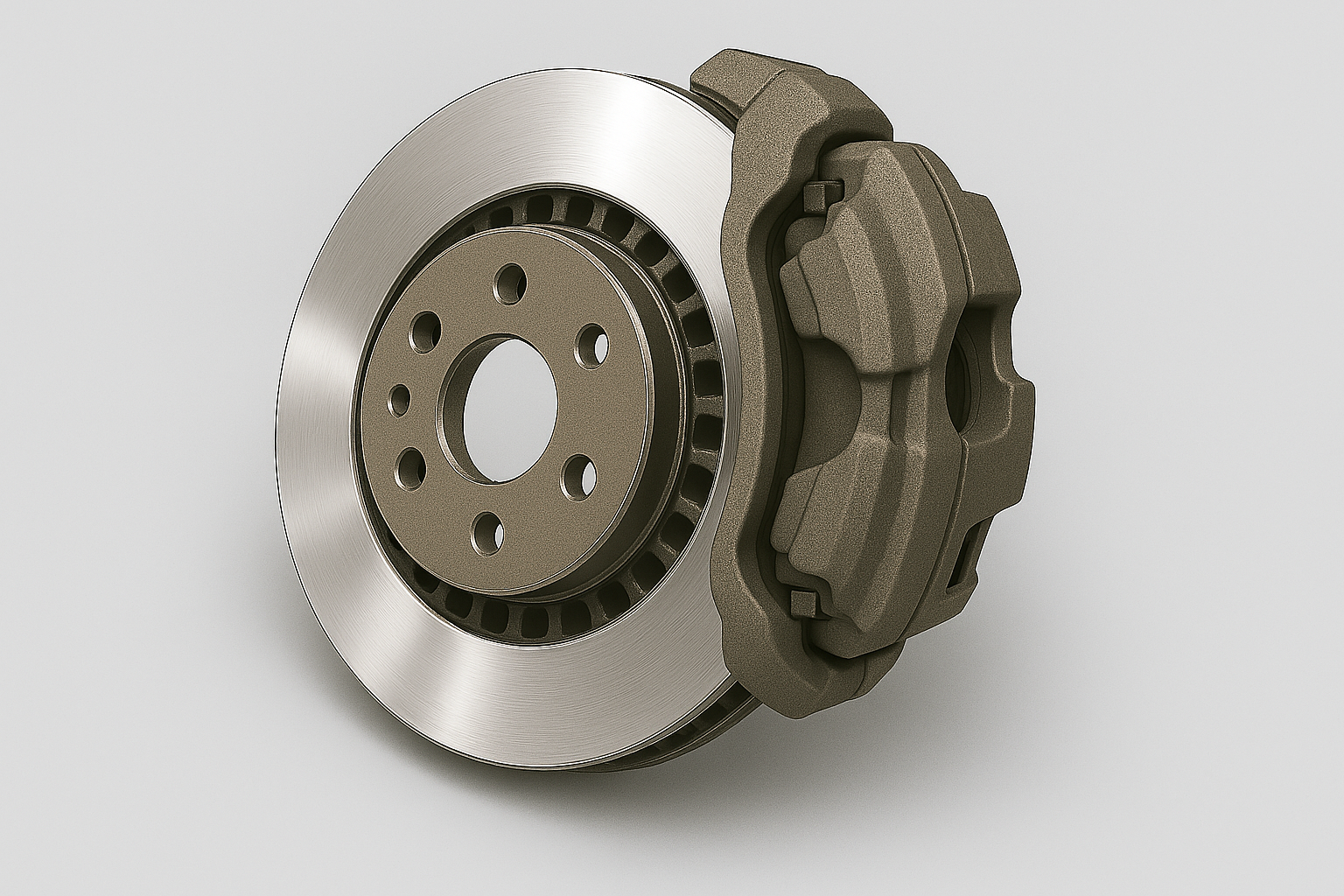
converting requirements into precise 3D models of parts like engine blocks,
brake discs, and transmission assemblies, we achieve micron-level
accuracy for proper fit, vibration-free operation, and seamless integration
with adjoining systems, all in compliance with automotive standards.
Parametrics
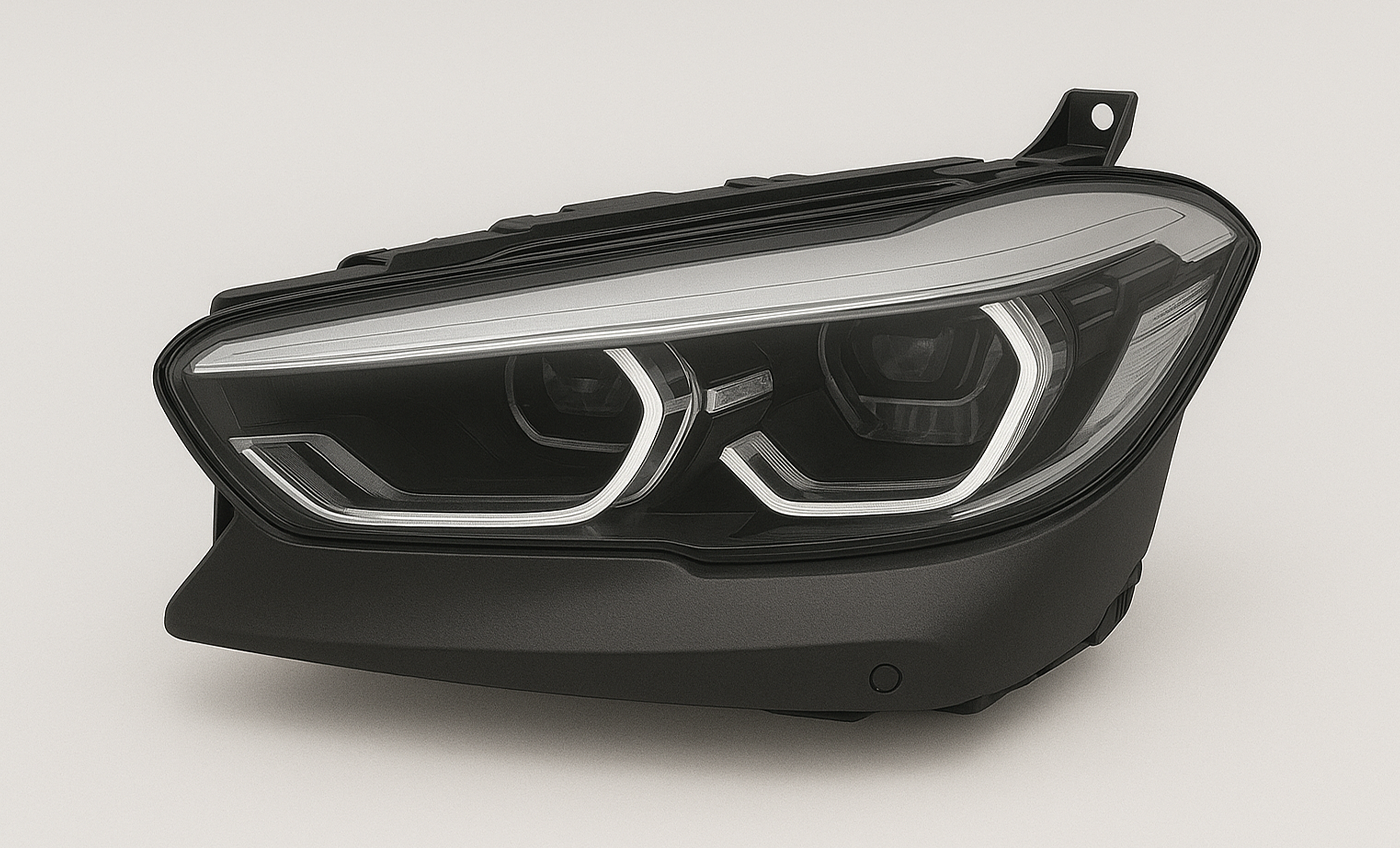
Parametrics in automotive CAD modeling enables flexible design
changes while maintaining accuracy and consistency. By applying
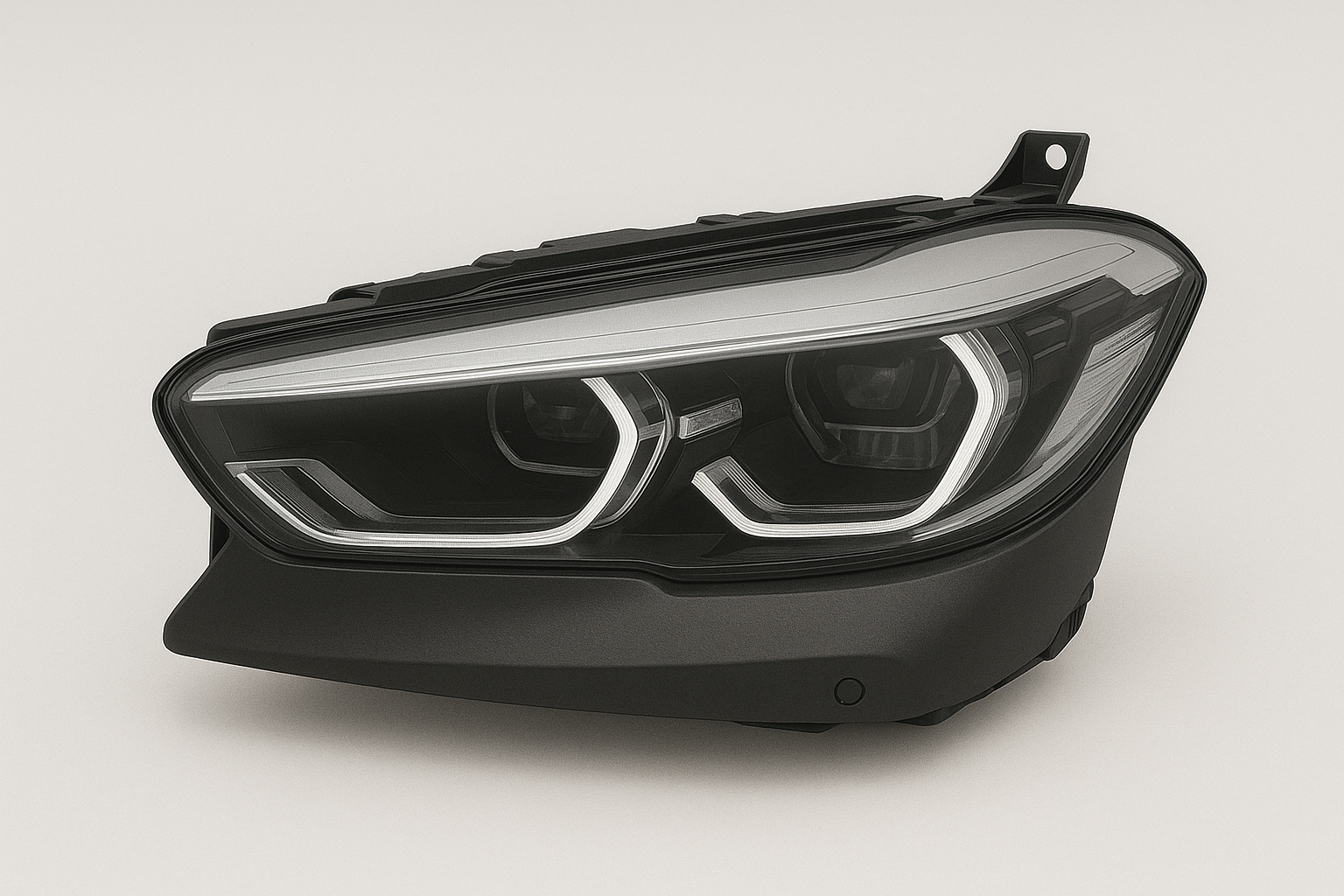
parameter-driven constraints to components like headlights, dashboards,
and body panels, engineers can quickly adapt dimensions, proportions,
and variants across vehicle models, ensuring faster iterations, reduced
errors, and efficient reuse of design data
Surfacing
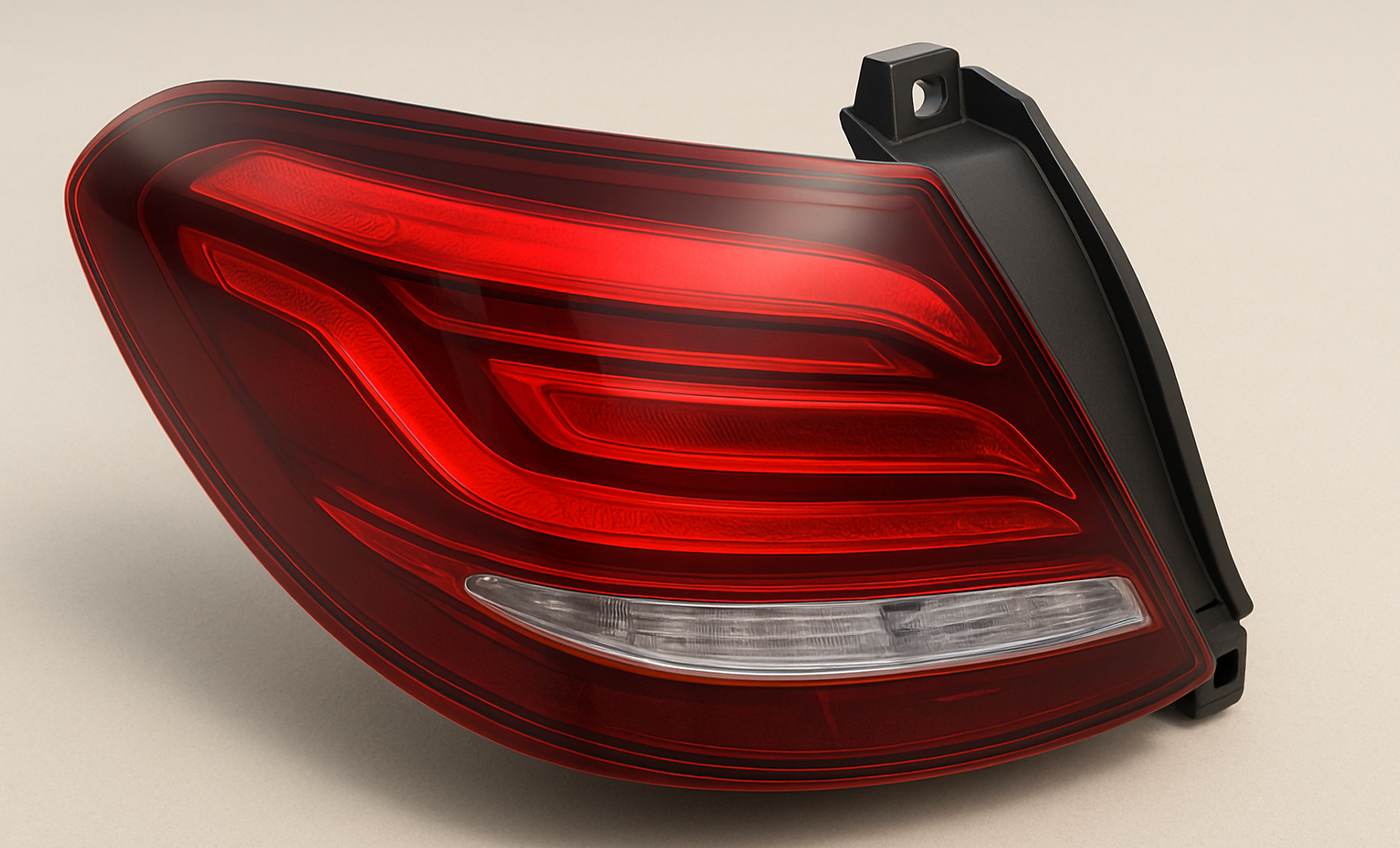
Surfacing in automotive CAD modeling is essential for creating smooth,
flowing, highly aerodynamic, and visually appealing body shapes.
High-quality Class-A surfaces are applied to exterior parts like alloy wheels,
Lights, bumpers, and door panels, ensuring flawless surface reflections,
superior aerodynamic efficiency, and manufacturability while meeting both
performance and styling demands.
Stop Losing Profit to Errors,
Delays & Rework — Build Faster and With Total Predictability.
Get a quick expert review showing exactly where you can prevent rework, shorten timelines, and
improve delivery with precision.
Assembly
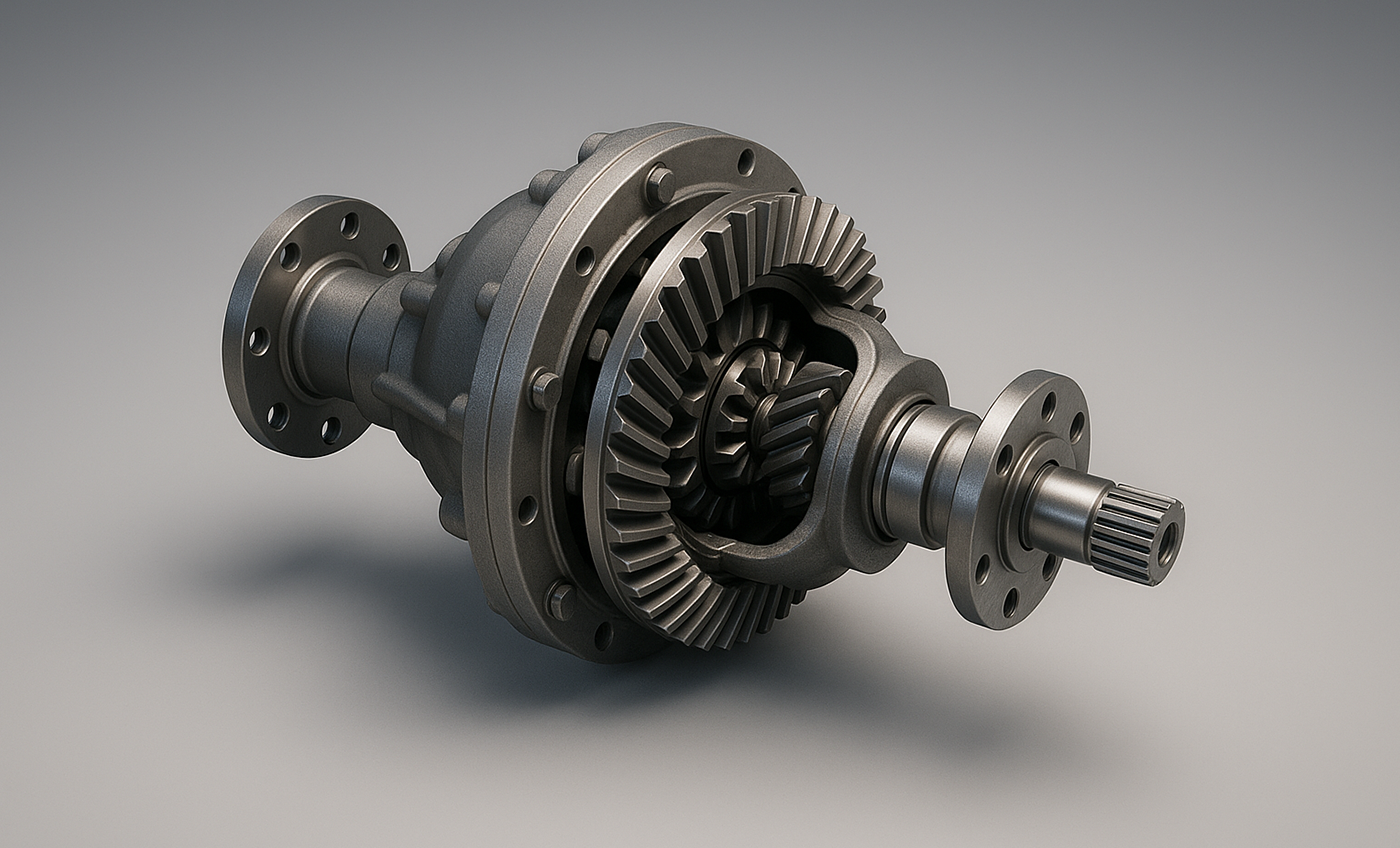
Assembly in automotive CAD modeling focuses on the precise fit and
smooth interaction of thousands of components within a vehicle. By
digitally simulating differential systems, gear mechanisms, and
suspension assemblies, engineers detect interferences, validate motion,
and optimize layouts before physical prototyping, saving significant cost
and ensuring long-term reliability in real-world operation.
Integration
Integration in automotive CAD modeling ensures that all components
work seamlessly as part of the larger vehicle system. By linking
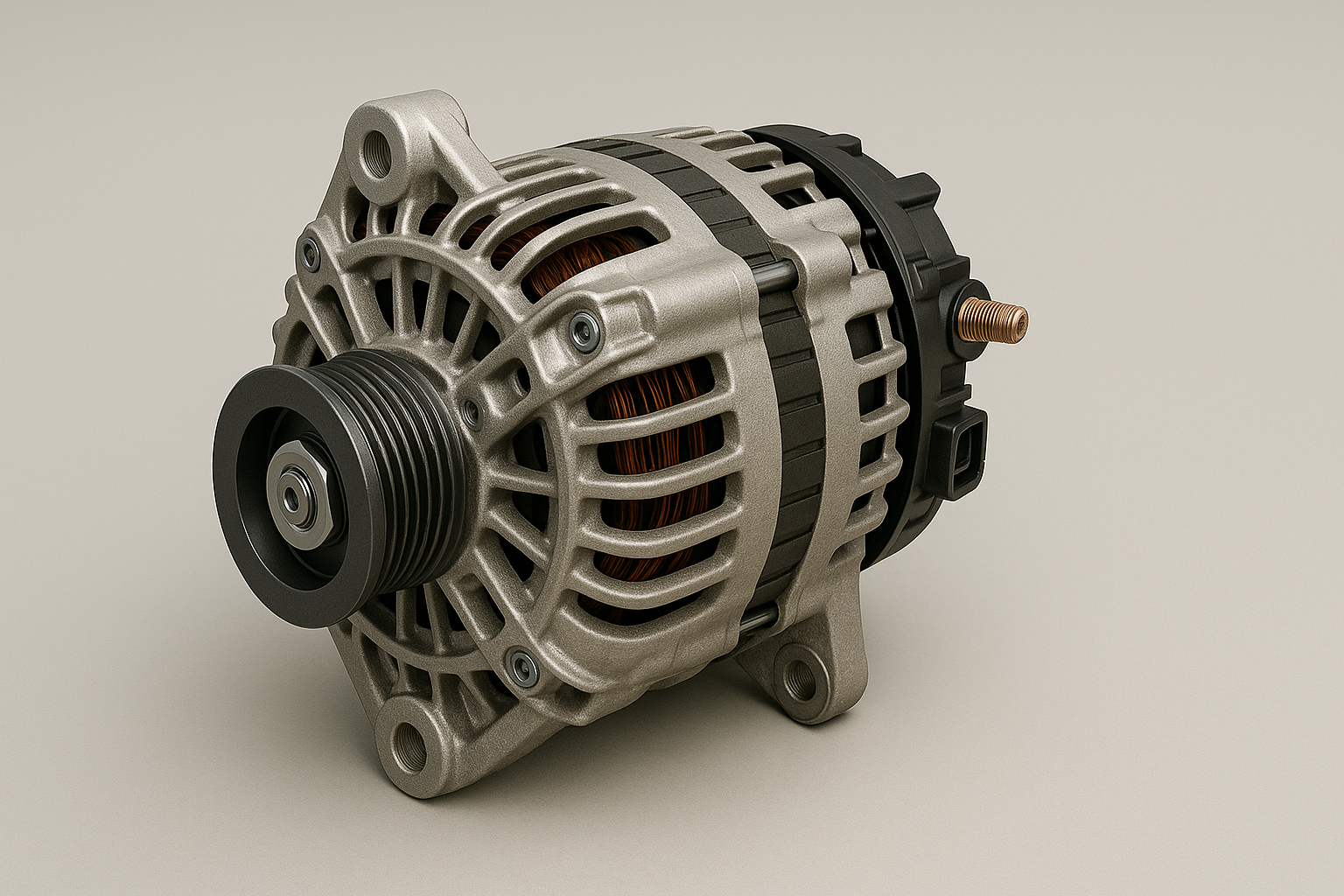
turbochargers, alternators, and cooling units into complete engine
models, designers validate thermal, fluid, and stress interactions using
advanced CAE tools, achieving performance, efficiency, and
manufacturability within strict automotive standards.
Receive a free 1-page project blueprint highlighting coordination risks, approval gaps, and schedule
threats so delays, rework, and cost overruns are prevented from day one.
Bimgraphix is a global BIM and digital engineering firm delivering precision-driven
solutions to
architects, engineers, and construction partners across global markets.